
East CNC Kazakhstan Blog
Articles about CNC machines, metalworking, and production modernization.
Latest Articles
7 min
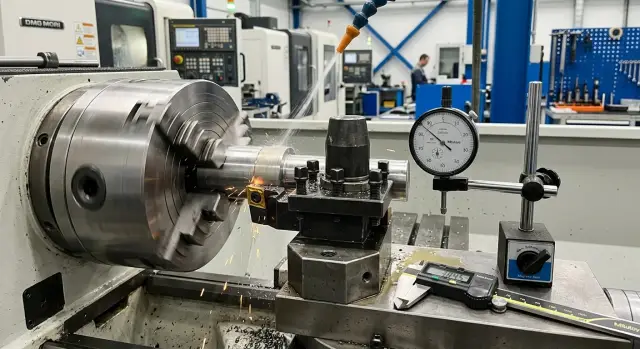
Part goes out of tolerance after cutoff: where to look for the cause
Part out of tolerance after cutoff? We explain how the cutoff location, overhang, support and insert geometry change dimension and runout.
part out of tolerance after cutoffcutoff on latherunout after cutoff
7 min
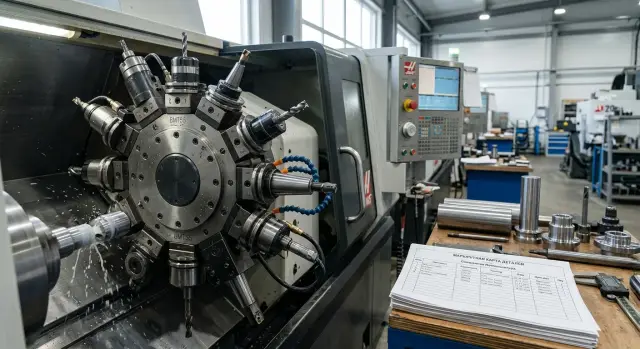
Mistakes When Choosing a Turret Head for a Mixed Part Assortment
Common mistakes when choosing a turret head: how station count, driven tooling and holders affect shop flexibility and changeover time.
mistakes choosing a turret headturret head for CNC lathedriven tooling
6 min
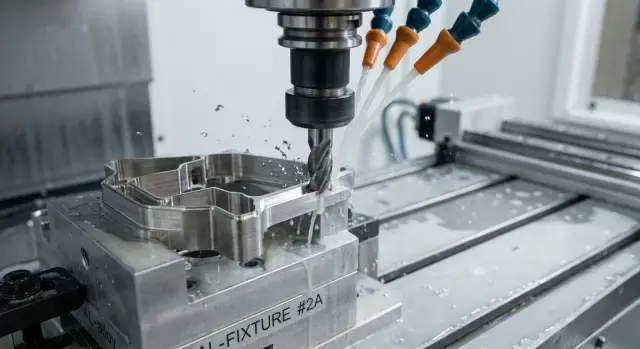
Milling Stainless Steel on a Thin Wall Without Blueing
Milling stainless steel on a thin wall requires a precise approach: we explain how to eliminate blueing and wall drift by reducing radial engagement instead of lowering speed across the board.
milling stainless steel on a thin walllow radial engagementblueing during milling
8 min
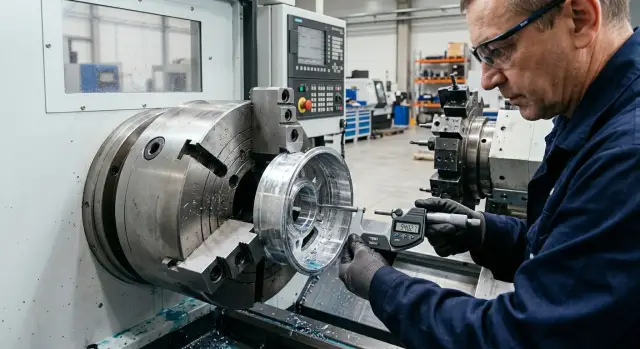
Boring a Thin-Walled Hub Without Ovality After Removal
Boring a thin-walled hub requires precise clamping and a calm pass order. We explain why the part turns oval after removal.
thin-walled hub boringhub clampingpass order
8 min
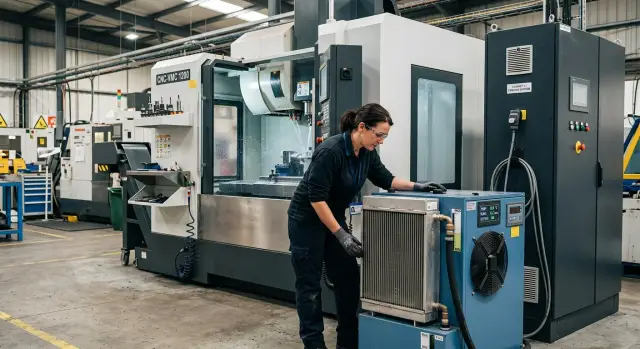
Spindle and cabinet cooling: what to check in the chiller
Spindle and cabinet cooling: how to check the chiller’s water, heat exchanger and early signs that a chiller is losing temperature control.
spindle and cabinet coolingchiller inspectionchiller water quality
8 min
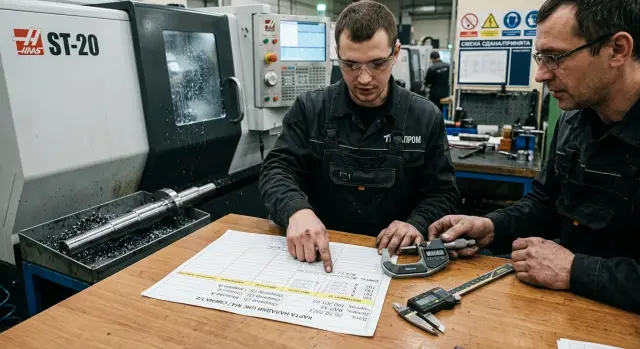
Stable process when changing a CNC operator
We explain how to record offsets, control measurements and actions on deviations so a stable process during CNC operator changes produces consistent results.
stable process when changing operatorCNC machine work standardcontrol measurements
8 min
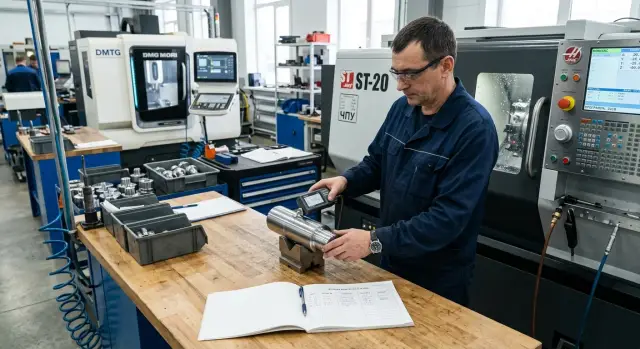
Measuring Surface Roughness on the Shop Floor Without Disputes with QC
Measuring surface roughness on the shop floor: how to choose the measurement point, sampling length and record batch results without unnecessary disputes with QC.
surface roughness measurementroughness measurement pointsampling length for roughness
8 min
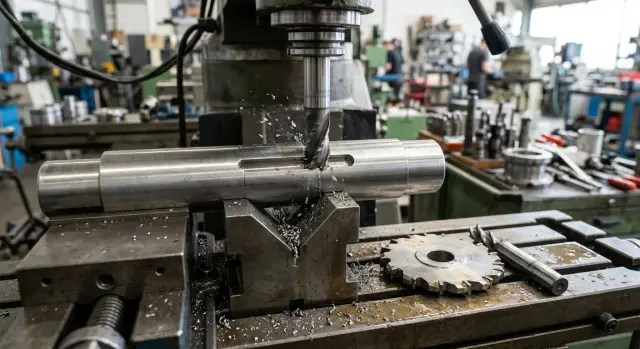
Milling a Keyway Slot in a Shaft: Disc or End Mill
Milling a keyway slot in a shaft requires a precise tool choice. Let’s compare a disc cutter and an end mill in terms of runout, straightness, and setup.
keyway milling in a shaftdisc milling cutter for keywaysend mill for metal
8 min
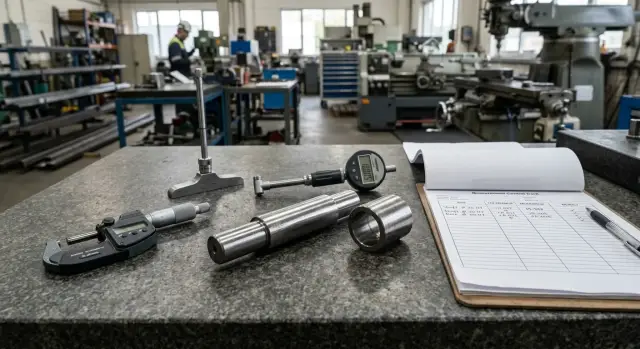
Gauge, Micrometer, and Bore Gauge for Parts Flow in the Workshop
A gauge, micrometer, and bore gauge are chosen based on size, tolerance, and inspection frequency. Let’s look at a simple combination of measuring tools for a parts flow.
gauge, micrometer, and bore gaugechoosing measuring toolspart dimension inspection
8 min
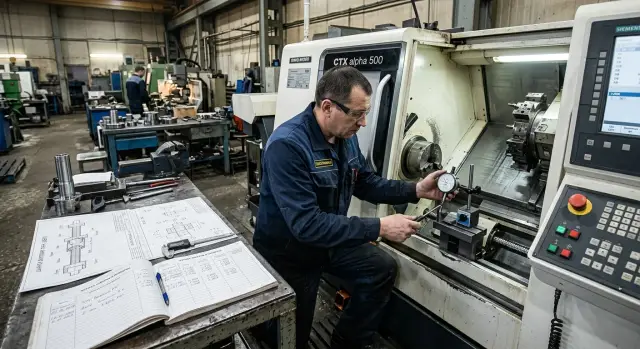
Signs of Ball Screw Wear: What Maintenance Should Record
Signs of ball screw wear often show up before failure: size starts drifting, noise changes, and the axis moves in jerks. Here’s what maintenance should record.
signs of ball screw wearball screw backlashmachine axis noise
8 min
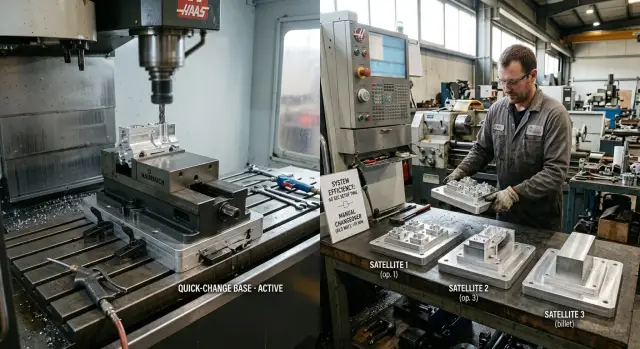
Quick-Change Vise Base: When It Saves Hours
A quick-change base for vises helps with short runs and frequent part changes: fewer manual repositionings, easier setup, and a more stable cycle.
quick-change vise basevise palletsshort part runs

8 min
Packaging Machined Parts for Transport Across the CIS
Packing machined parts for shipping across the CIS: how to preserve surfaces, dimensions and edges during long routes, multiple handlings and cold conditions.
packaging machined partsshipping parts within the CISprotecting part surfaces
8 min
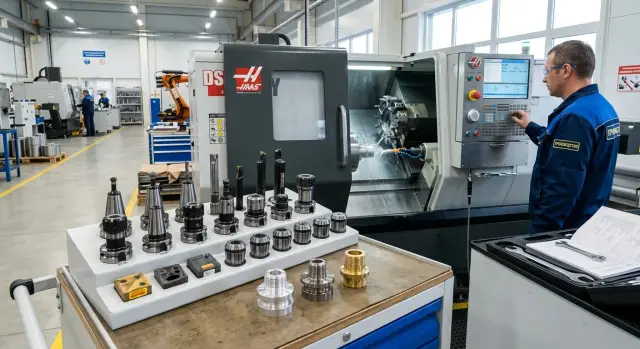
Post-processor for a new machine: tests before the first part
Перед первым запуском новой станка проверьте постпроцессор: оси, ноль, циклы, коррекции и безопасные высоты — сделайте сухой прогон и простой тест до первой детали.
post-processor for new machineCNC axis verificationtool compensation checking
8 min
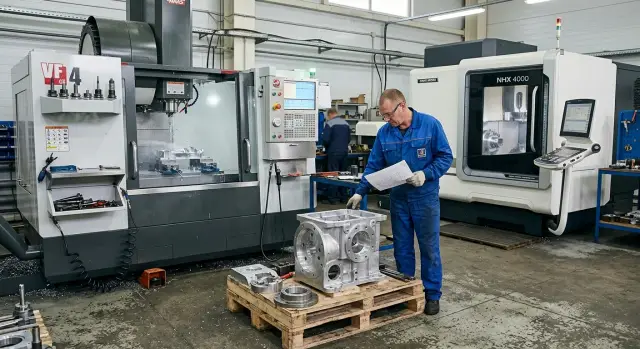
Small-batch machines: which options actually add flexibility
Choose a small-batch machine by changeover speed, tooling and practical functions. We explain what truly helps and which options you often overpay for.
small-batch machineCNC machine for small batchesfast machine changeover
8 min
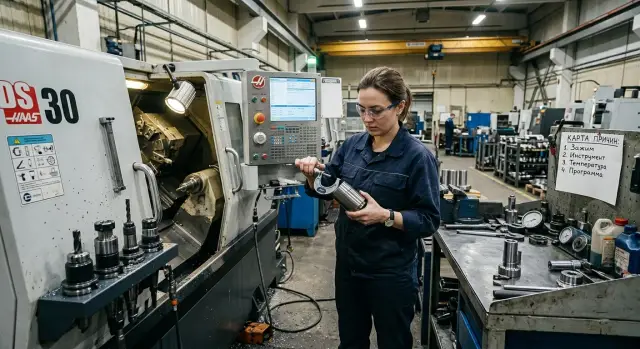
Horizontal or Vertical Machining Center
We explain when a horizontal machining center is more advantageous than a vertical one: by part types, number of setups, loading and production rhythm.
horizontal machining centervertical machining centernumber of setups
8 min
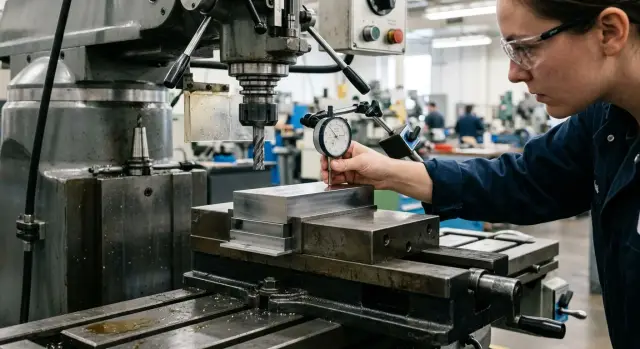
First part in tolerance, but the series isn’t: how to find the cause
First part is within tolerance, but the series isn’t? We explain how to check clamping, tool, temperature, program and setup sequence without needless theory.
first part in tolerance, series notsize drift in a seriesworkpiece clamping on a lathe
5 min
Height Taper in a Vise: Shim and Parallel Errors
Height taper in a vise often comes not from the cutter, but from dirt, mismatched parallels, and a clamping tilt. Below is a checklist to run before the first part.
height taper in a visevise parallelsshims under the workpiece
8 min
Backup Plan for a Machine Breakdown Without Disrupting the Route
A backup plan for a machine breakdown helps you quickly move a part to another route: what to prepare in programs, fixtures, and inspection in advance.
backup plan for a machine breakdownpart routebackup CNC programs
8 min
Form Tool or Several Passes: What Is More Stable in Production Runs
Form tool or several passes: we break down where setup costs are lower, tool life is longer, and the risk of profile drift on a production run is smaller.
form tool or several passestool life in production runsprofile shift on the part
8 min
Size Trend in a Series: How to Catch Drift Before Scrap
Size trend in a series helps you spot size drift before it turns into scrap. We show a short measurement chart, check frequency, and the right moment to stop the process.
size trend in a seriespart measurement chartwhen to stop the process
7 min
Mode-change log: how not to lose adjustments between shifts
A mode-change log records operator adjustments, passes them between shifts and reduces confusion in machine settings.
mode change logCNC mode shiftsoperator adjustment records
8 min
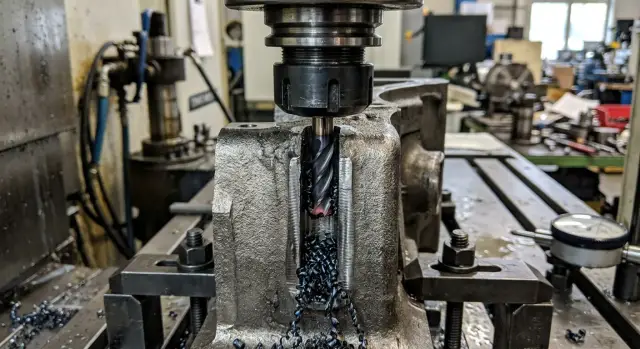
Milling Heat-Resistant Alloys with Small Tools
Milling heat-resistant alloys with small tools requires precise selection of overhang, holder, pitch, and feed, especially when machining narrow slots.
milling heat-resistant alloysexcessive end mill overhangmachining narrow slots

7 min
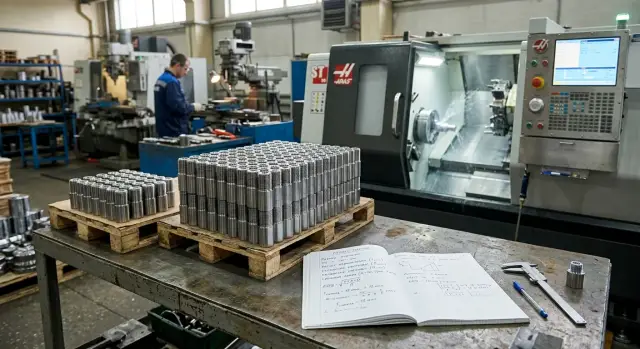
Machine repeatability after downtime: what to check on Monday
Machine repeatability after downtime often drifts because of a cold spindle, thickened oil, hydraulic pressure delays and moisture in the air.
machine repeatability after downtimeCNC machine warm-upmachine lubrication and hydraulics
8 min
Batch Size for Machining: Where the Benefit Ends
Batch size for machining affects part cost, machine utilization and lead times. We show how to balance setup, inventory and urgent orders.
machining batch sizemachine setupfinished goods inventory
6 min
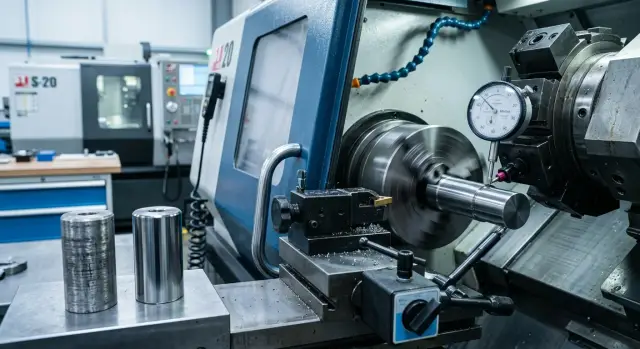
Tool balancing: why the finish surface deteriorates
Tool balancing explains why the finish surface degrades at high spindle speeds even when the spindle itself appears fine.
tool balancingholder runoutfinish surface
8 min
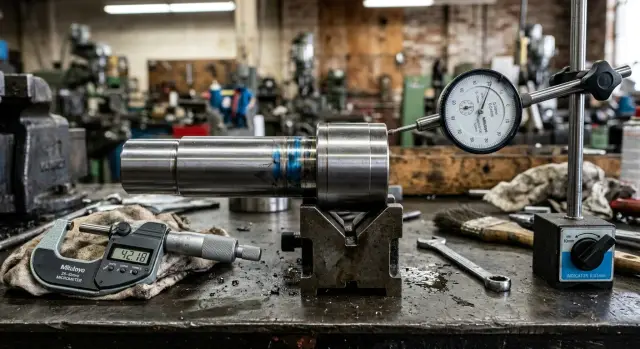
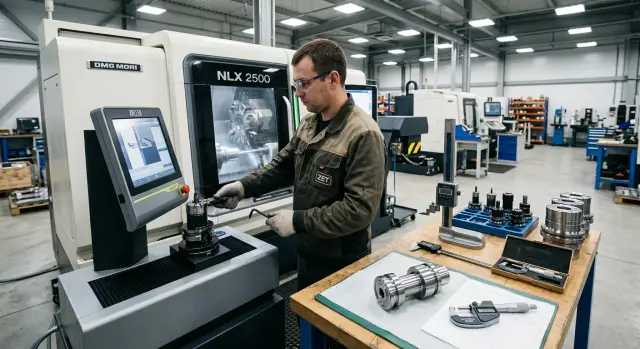
Size Is in Tolerance, but the Assembly Won’t Fit: Finding the Cause
Size is in tolerance, but the assembly won’t fit? Let’s look at how taper, barreling, and the wrong measurement base can get in the way of assembly.
size is in tolerance but the assembly won’t fitpart taperpart barreling
7 min
Reduce trial parts when starting a new series
Reducing trial parts at the start of a new series is easier when tooling and measurements are done off-machine and unnecessary stops are removed.
reduce trial partsprepare tooling off-machinemeasurements off-machine
8 min
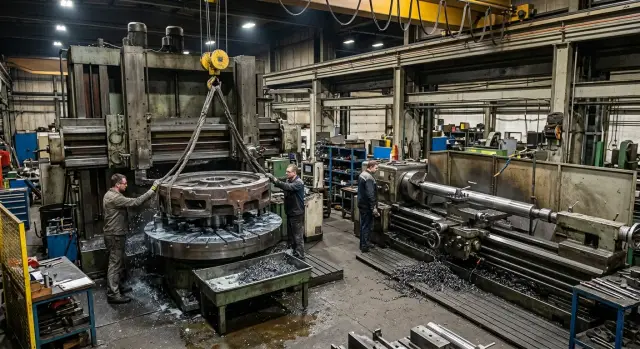
Vertical or Horizontal Lathe: Choosing the Right Layout
A vertical lathe isn't always the right choice. We examine part mass, loading and chip evacuation to understand when it outperforms a horizontal lathe.
vertical lathehorizontal lathemachine layout selection
8 min
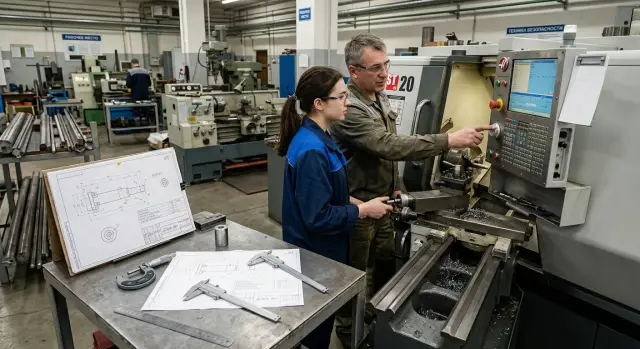
Training a CNC Operator: Plan for the First Eight Weeks
CNC operator training for the first eight weeks: how to organize setup, part measurement, working with corrections and actions for common failures.
CNC operator trainingCNC training planmachine setup CNC
8 min
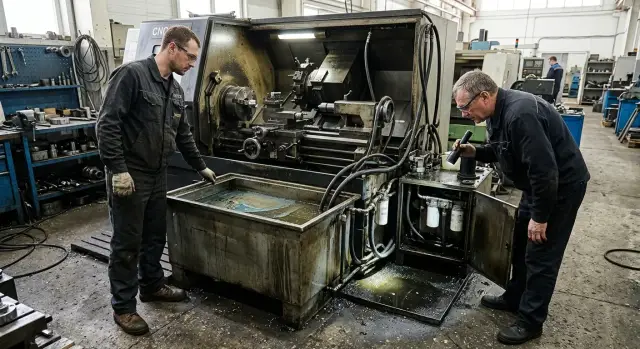
Oil in the coolant emulsion: how to find the source within one shift
Oil in the coolant often comes from the hydraulic system, way-lubrication or a faulty return. Same-shift checks can save tools and prevent rework.
oil in coolantcheck hydraulic systemguide lubrication
7 min
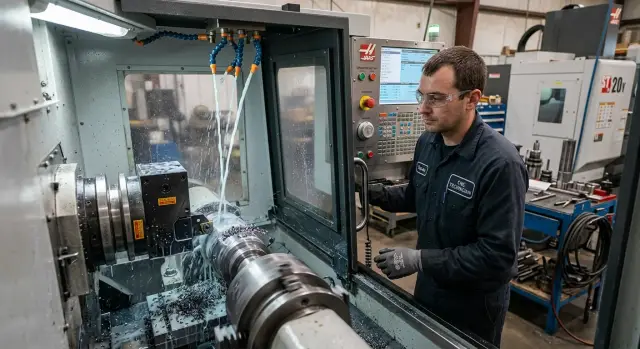
Chip control in turning without downtime
Controlling chips in turning reduces downtime during production runs. We cover the insert, feed, depth of cut and coolant pressure.
chip control in turningchoosing turning insertfeed in turning
8 min
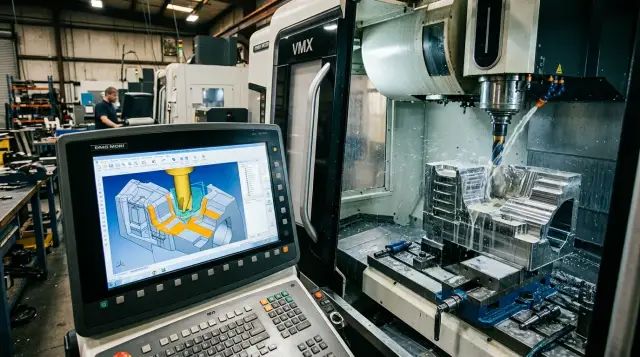
Residual material in CAM: how to avoid missing dangerous zones
Residual material in CAM often hides after roughing. We'll cover where it stays, how to find it before finishing and how to avoid a cutter hit.
residual material in CAMroughingfinishing pass
8 min
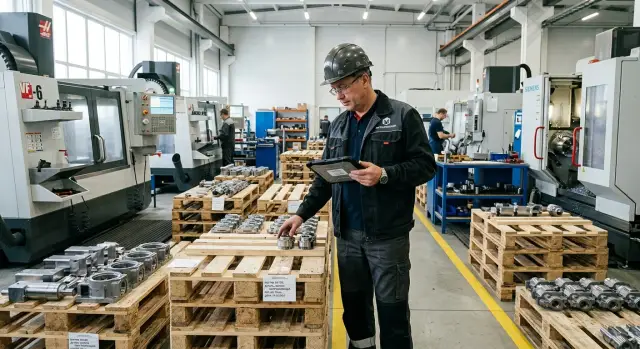
Work-in-progress between operations: how to measure and reduce it
WIP between operations often grows unnoticed. Learn how to count stuck parts, spot losses and reduce inventory without missing delivery dates.
work-in-progress between operationsstuck partsWIP
8 min
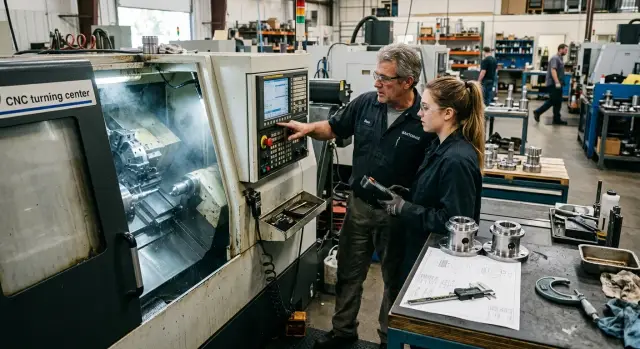
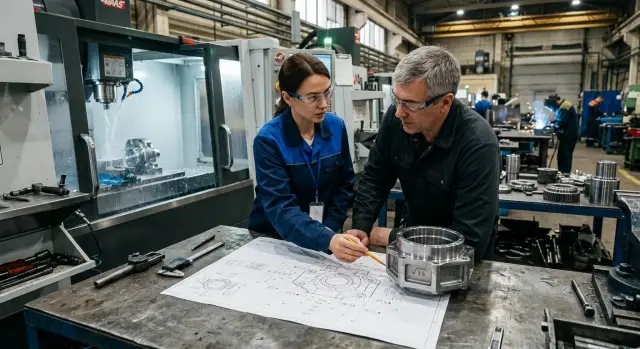
Training a Second CNC Operator on a Part Family
Training a second CNC operator on a part family: how to transfer locating, offsets, and size control without tying the learning to one program.
training a second CNC operatorpart familypart locating
8 min
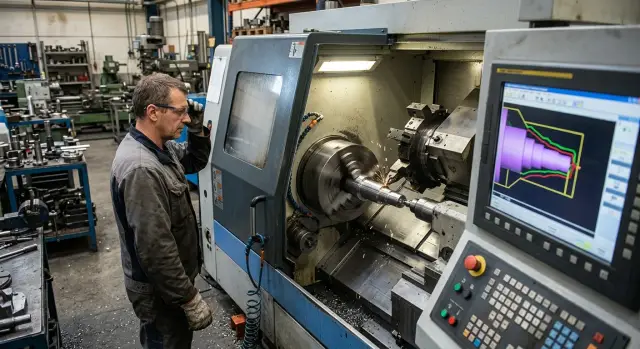
Surface roughness on a drawing: where Ra is needed and where it isn’t
Surface roughness on a drawing affects part cost and the machining route. We’ll show where to place Ra, how to agree with the shop and how to remove unnecessary passes.
surface roughness on a drawingRa notationsurface roughness
8 min
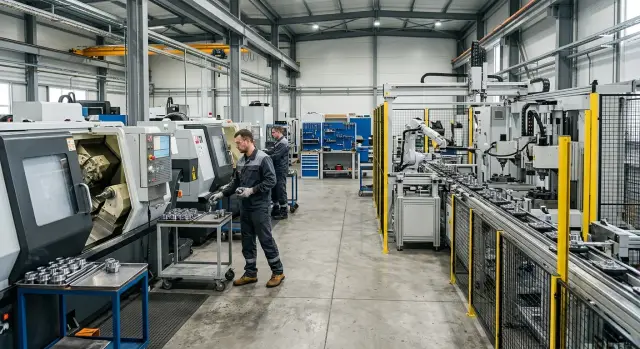
Multi-Tool Operations on a Turning Center Without Interference
Multi-tool operations on a turning center require precise path checks, setup, and operation sequencing to eliminate collision risk.
multi-tool operations on a turning centerCNC tool path verificationturning center setup
8 min
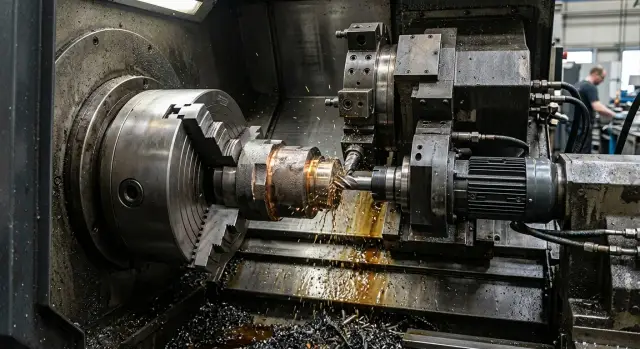
Automatic line or two machines: when is each more profitable?
Automatic production line or two machines: we explain how to compare takt, changeovers, operator workload and downtime risk on serial orders.
automatic production line or two machinesproduction taktmachine changeover
8 min
C-axis torque reserve: why steel cuts differently
C-axis torque reserve helps explain why two turning centers with the same C axis in the spec sheet behave differently when milling steel.
C-axis torque reservemilling steel on a turning centerC axis and driven tooling
8 min
Calculating takt time before buying a machine for serial auto parts
How to calculate takt time before buying a machine: formula and a template that account for loading, measurement, tool change and in-process buffer.
takt time calculation before buying a machineCNC lathe for auto componentscycle time
7 min
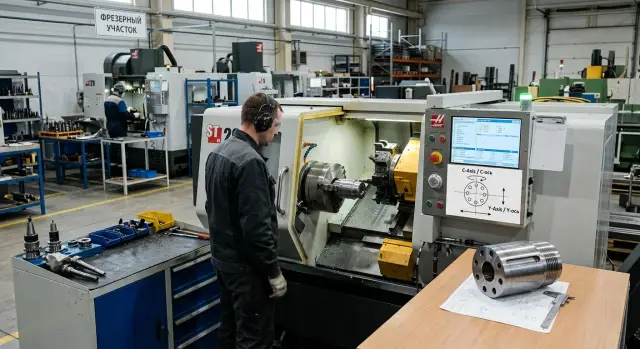
Part catcher on a turning center: when you need one
We explain how a part catcher on a turning center affects scratches, cycle time and part reception — and when it’s better to run without it.
part catcher on a turning centersurface damage to the partturning center cycle time
7 min
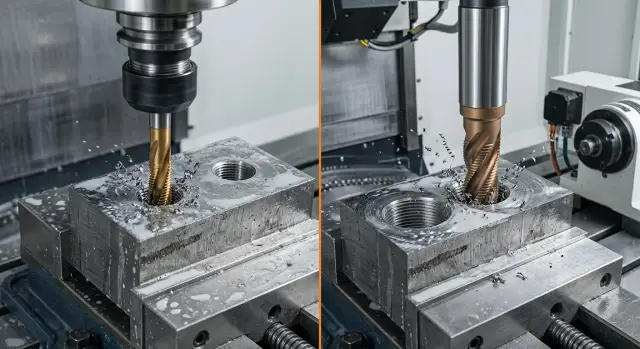
C axis and Y axis on a turning center: when they pay off
C and Y axes on a turning center: which operations they remove from milling, how to calculate time, re-setup and payback for your part mix.
C axis and Y axis on turning centerturning center with driven toolY axis payback
8 min
Tapping or Thread Milling on a CNC: How to Choose
Tapping vs thread milling: compare breakage risk, cycle time and thread quality for small batches and series on a CNC machine.
tapping vs thread millingthreading on CNCthread milling
7 min
Machine corrosion in an unheated workshop: how to reduce the risk
Machine corrosion in an unheated workshop often starts from condensation and downtime. We cover storage, preservation and winter operating routines.
machine corrosion in unheated workshopmachine preservation in wintertooling storage in the shop

8 min
Knocking in the Turret After Indexing: A Check Without Disassembly
A knocking sound in the turret after indexing does not always mean a serious failure. Let’s go through fasteners, sensors, tool backlash, and alarm logs step by step.
knocking in the turret after indexingturret head inspectiontool backlash on a CNC machine
7 min
Memory Batteries and Encoders: When to Replace Them Without Risk
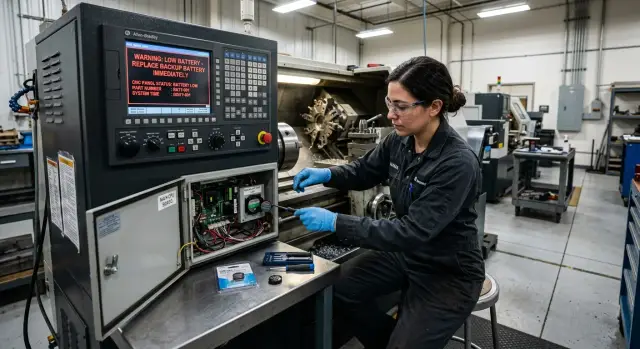
Memory batteries and encoder batteries fail quietly. We cover replacement intervals, risk signs and a simple schedule to keep your machine from unexpected downtime.
memory and encoder batteriesCNC battery replacementmachine emergency stop
8 min
Leasing a Machine for a Manufacturing Company: What to Count
Leasing a machine for a manufacturing company isn’t judged only by the monthly payment. We break down advance, service, tooling, taxes, downtime and the total cost.
leasing a machine for a manufacturing companymachine leasing calculationfull cost of a CNC machine
8 min
Drawing revision change: how not to mix up the first batch
A drawing revision change needs a simple routine: how to label programs, tooling, and the control sheet so the old and new batches do not get mixed up.
drawing revision changeCNC program labelingtooling marking
8 min
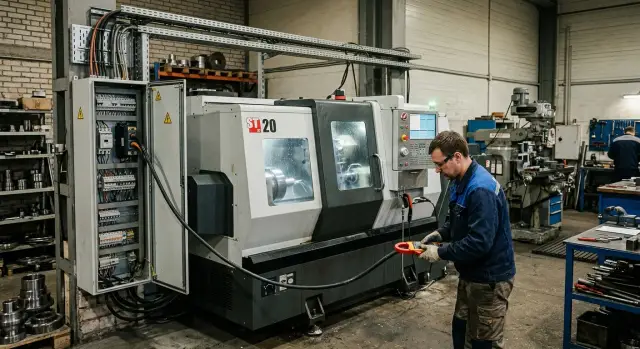
Dedicated power line for a machine: when it's needed
How to determine if a machine needs a dedicated power line: what to check for starting currents, neighboring loads and electronic faults.
separate power line for machinemachine starting currentselectronic interference
5 min
Machine crash: how to inspect it before restarting
A machine crash calls for a calm inspection: geometry, tool, spindle, axes, and a test run. A step-by-step process to avoid a second hit.
machine crashmachine geometry checkCNC tool inspection
7 min
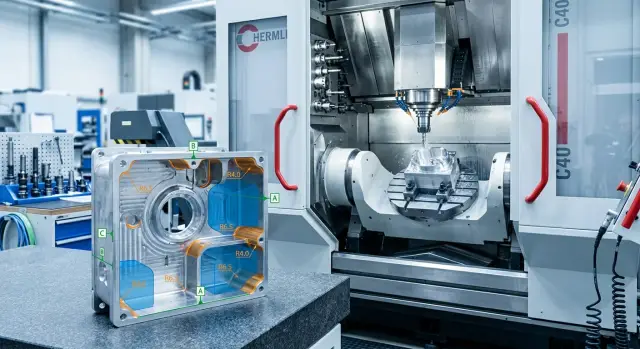
Manufacturability of a 5-axis housing part without unnecessary rotations
The manufacturability of a 5-axis housing depends on internal radii, datums and tool access. We explain how to eliminate extra setups and special fixtures.
manufacturability of housing part5-axis machiningtool access
7 min
Dedicated fixture for a series of parts: when it pays off
We explain when a dedicated fixture for a series reduces downtime, yields steadier dimensions and brings measurable savings on a batch of automotive parts.
separate fixture for series partsfixtures for automotive componentsstandard fixture

8 min
SPC at the machine: when statistics help without extra measurements
SPC at the machine helps spot shifts in key dimensions earlier, reduce unnecessary checks and keep production moving. We explain when and how to use it.
SPC at the machineCNC dimensional controlprocess drift
8 min
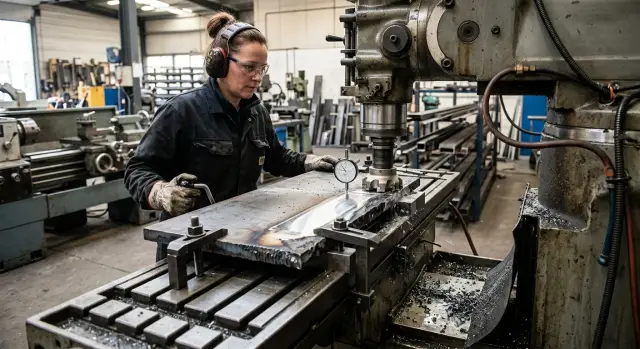
Milling Steel Plates After Plasma Cutting Without Excess Removal
Milling steel plates after plasma cutting requires a precise reference, gentle clamping, and a path that accounts for thermal warp.
milling steel plates after plasma cuttingthermal warp of a plateleveling the base after plasma cutting
8 min
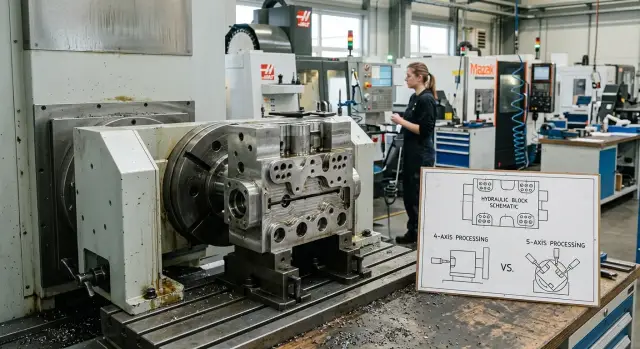
4 or 5 axes for a hydraulic manifold body: how to choose
We explain when 4 or 5 axes deliver the right result for a hydraulic manifold body: hole groups, undercuts, setup time, scrap risk, and unnecessary costs.
4 or 5 axes for a hydraulic manifold bodyhydraulic manifold body machining5-axis machining
8 min
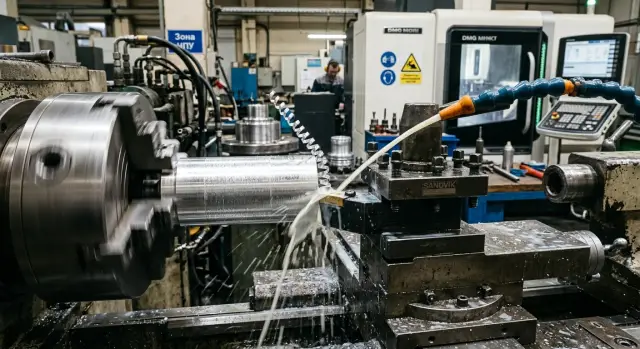
Built-up Edge When Machining Aluminum
Built-up edge when machining aluminum is often linked to insert geometry, cutting parameters and coolant. Practical, no-nonsense tips to prevent and fix it.
built-up edgealuminum machininginsert geometry for aluminum
8 min
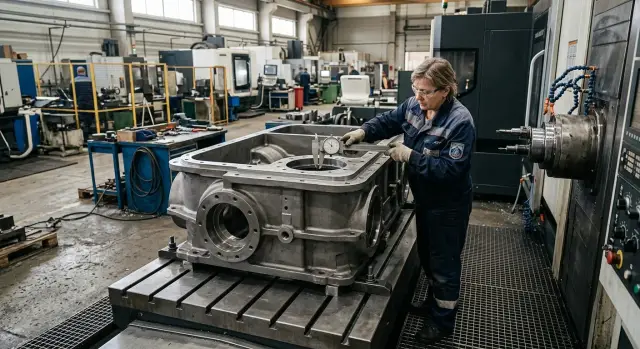
Housings for Marine Equipment: Bases, Fits, and Control
Housings for marine equipment require careful work with the casting base, the blank's mass and staged checks of planes and large bores.
housings for marine equipmentcasting basesmachining large planes
8 min
Quick-change tool systems: where they pay off
Quick-change tool systems deliver output where setup time eats into a shift. We'll cover series sizes, changeover time and the break-even threshold.
quick-change tool systemsreducing setup timeholder payback
7 min
Belt or Direct Spindle Drive: Which to Choose for Your Shop?
Belt vs. direct spindle drive — compare torque, RPM, noise, service and total cost of ownership to pick the right drive for your parts and workload.
belt vs direct spindle drivespindle torquespindle RPM
8 min
Estimating Shop Workload When Product Mix Changes Weekly
A straightforward weekly method to estimate shop load: how to calculate available hours, account for changeovers and keep a reserve for urgent orders.
shop load assessmentavailable production hourschangeover accounting
8 min
Outsourcing Metalworking Operations: What to Keep In-House
Outsourcing metalworking operations should be judged by lead time, defects, and load. We compare heat treatment, grinding, gear cutting, and inspection.
outsourcing metalworking operationsheat treatment by a contractor or in-housegrinding in your own shop
8 min
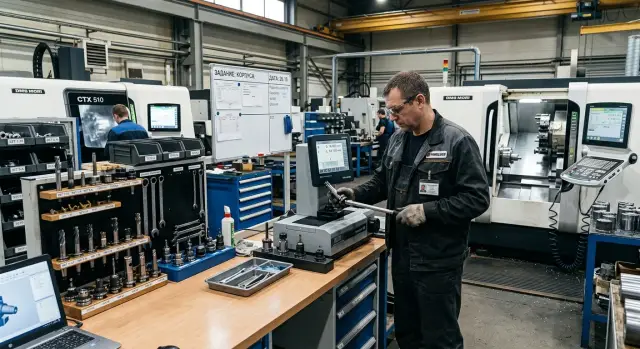
Tool-prep post: when your shop already needs it
Open a tool-prep post not by habit but by numbers. We cover signs in utilization, downtime and setup errors so you know when to start.
tool preparation postCNC machine setupshop downtime
7 min
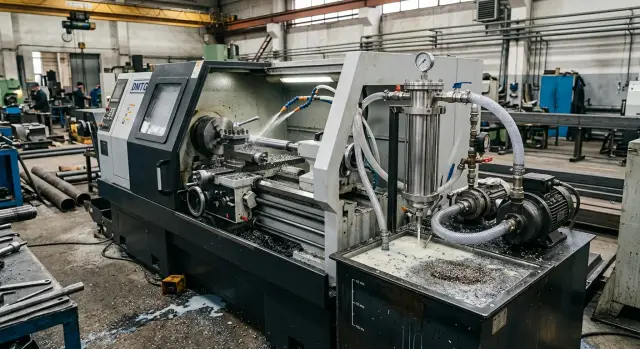
Coolant Filtration for Fine Chips: How to Choose a System
Coolant filtration for fine chips: how to choose mesh, filtration fineness and abrasive removal scheme to extend coolant life and reduce pump wear.
coolant filtration for fine chipscleaning coolant from abrasive particleschoosing a filter for a CNC machine
8 min
Fixtures or a New Machine: What’s Slowing Down the Job Shop
Fixtures or a new machine: let’s look at the signs of a bottleneck, a simple loss calculation, and what to check before buying another machining center.
fixtures or a new machineCNC fixturesbottleneck in production

8 min
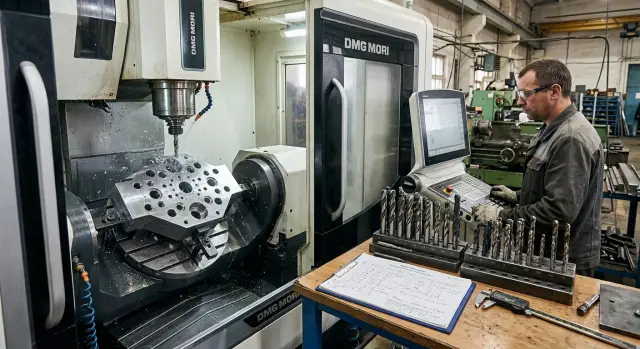
Self-Centering Chuck or Part-Specific Setup
We compare a self-centering chuck and part-specific setup for mixed production: where you save time, and where you lose accuracy and setup hours.
self-centering chuckpart-specific chuck setupmixed part runs
8 min
Drilling Sequence for a Hole Pattern Without Unnecessary Tool Changes
The drilling sequence for a hole pattern affects the datum, the number of tool changes, and the risk of defects. Let’s look at how to separate tools and transitions for smoother work.
drilling sequence for a hole patternhole drilling orderCNC tool changes
7 min
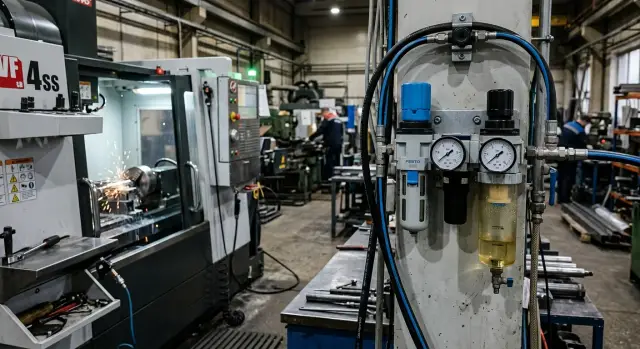
Compressed air for a machine: what to check besides air pressure
We explain how pressure, dew point and cleanliness affect clamping, blow-off and automation — and what to check when a machine's air supply malfunctions.
compressed air for machinesdew point of compressed airair cleanliness for CNC
8 min
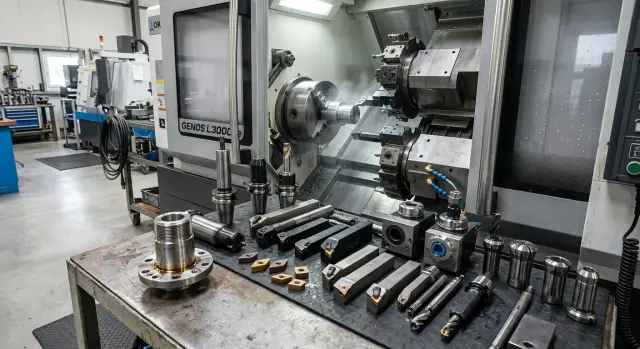
VDI or BMT Turret: What Changes in Real Tooling
We compare VDI and BMT turrets by rigidity, changeover time, and holder choices for turning, drilling, and boring in everyday shop work.
VDI or BMT turretturret rigidityCNC lathe changeover
8 min
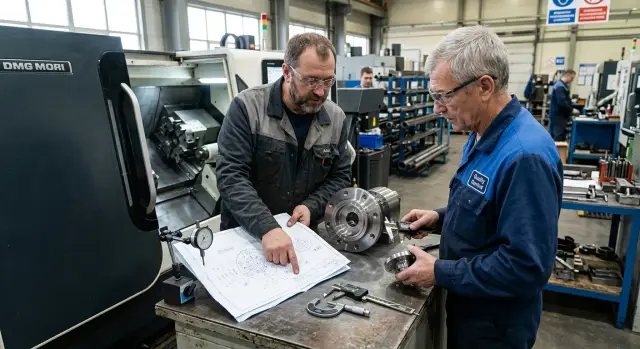
Geometric Tolerance Map: Where the Shop Goes Wrong at Start-Up
A geometric tolerance map often fails right at start-up. We break down bases, position, runout, and reading mistakes that lead to scrap and extra inspection.
geometric tolerance mapgeometric tolerancespart setup
6 min
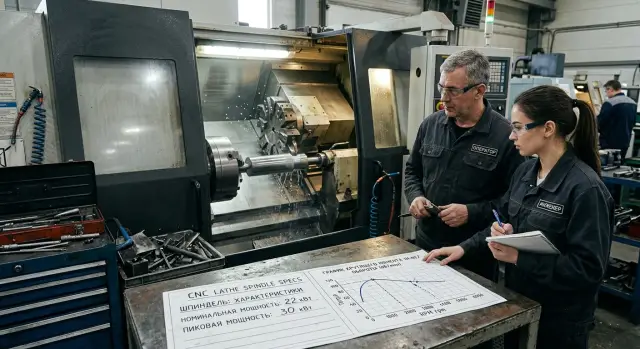
Spindle Power: Peak Rating vs Real-World Performance
Spindle power is often judged by the peak figure, but for cutting continuous load matters more. We cover selection mistakes and a simple way to check.
spindle powerpeak vs nominal powerCNC machine selection
8 min
Manual CNC Programming: When It's Faster Than CAM
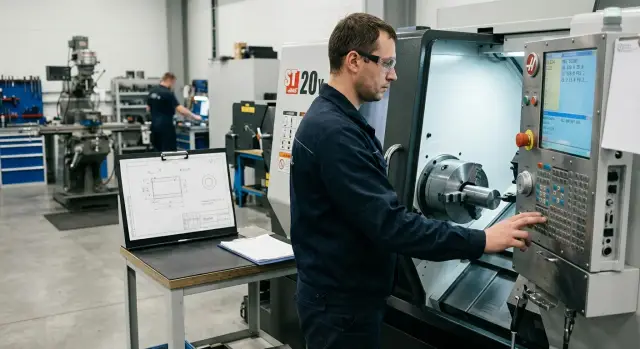
Manual CNC programming speeds up the first cut on simple parts. We explain when G-code beats CAM, which operations are quicker to write by hand, and what to check before the first run.
manual CNC programmingG-code without CAMstarting a new part
7 min
Marking parts after machining: laser, impact or label
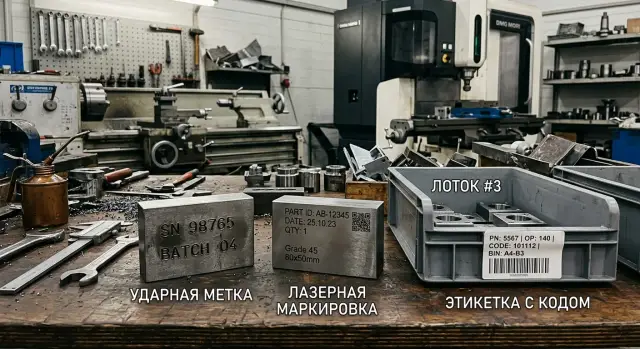
Part marking after machining affects tracking, readability and acceptance. We compare laser, impact stamping and labels for durability, cost and shop requirements.
part marking after machininglaser marking of partsimpact marking of metal
8 min
Preparing the Shop for Installing a Machining Center
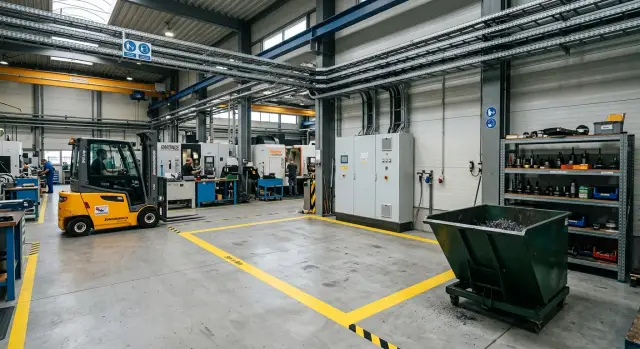
Preparing the shop for installation of a machining center: how to check the site, power, chip removal, tool storage and movement routes.
preparing shop for machining center installationpower supply for CNC machinechip removal in workshop
7 min
How to Reduce Scrap on Stainless Steel and Titanium Parts
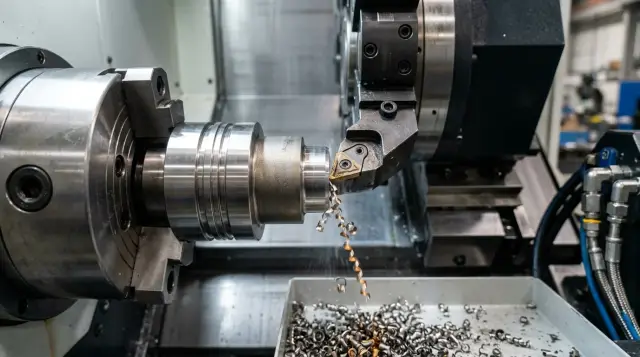
How to reduce scrap on stainless steel and titanium parts: choose cutting parameters, change the tool in time and keep the process clean.
reduce scrap on stainless steel and titanium partscutting parameters for stainless steelmachining titanium on CNC
8 min
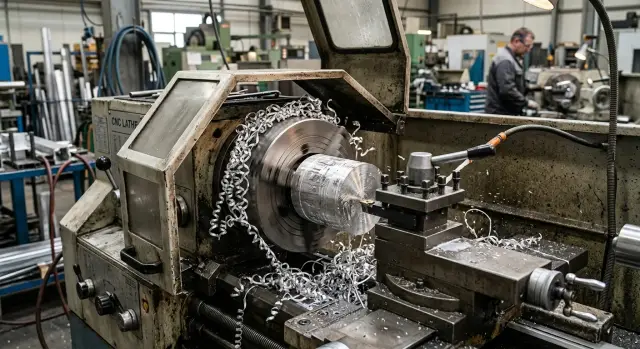
Chip Wrap When Turning Aluminum: How to Fix It
Chip wrap during aluminum turning ruins the datum, leaves scratches, and stretches cycle time. We break down the causes, settings, geometry, and quick checks.
chip wrap when turning aluminumturning soft aluminum alloyschips on the chuck
8 min
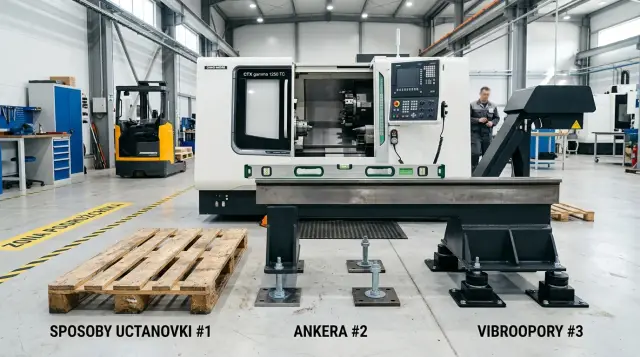
Machine Installation: Pallet, Anchors, or Vibration Mounts in the Workshop
Machine installation affects accuracy, service, and moving the equipment around the workshop. We break down when to choose a pallet, anchors, or vibration mounts without unnecessary theory.
machine installationmachine palletmachine anchors
8 min
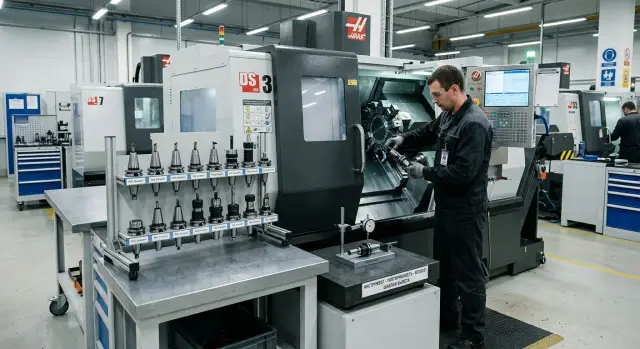
Standard Tool Holder Overhang Length for Faster Tool Changes
A standard tool holder overhang length helps you change tools faster, keep the size right from the first pass, and adjust CNC offsets less often.
tool holder overhang length standardrepeatable tool holdersquick tool changes
8 min
Remote commissioning: when it helps
Remote commissioning doesn't always fit. We'll look at when it saves days and when an engineer's on-site visit is faster and safer for the shop.
remote commissioningengineer on-site visitremote machine commissioning

7 min
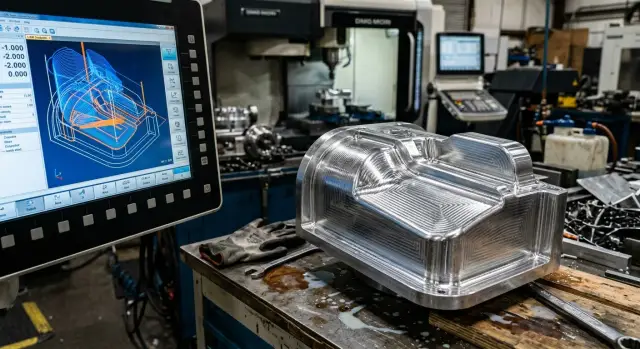
Checking Clamping Force with a Dynamometer Once a Quarter
Checking clamping force with a dynamometer once a quarter helps you spot a weak chuck in time, reduce scrap risk, and avoid losing an entire batch of parts.
clamping force check with a dynamometerchuck clamping force testquarterly chuck test
8 min
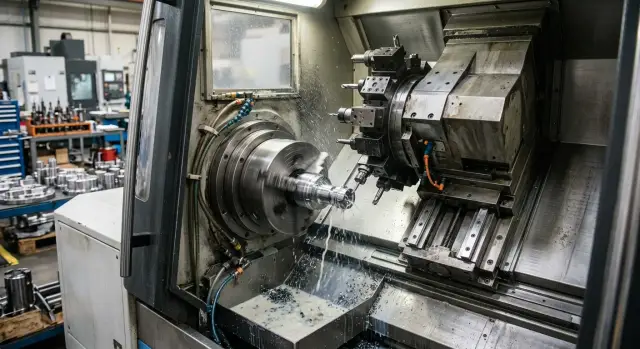
Surface steps after CAM: where to look for the cause
Surface steps after CAM often appear because of a coarse tolerance, excessive smoothing or post-processor errors. We'll go through what to check step by step.
surface steps after CAMCAM tolerancetrajectory smoothing
7 min
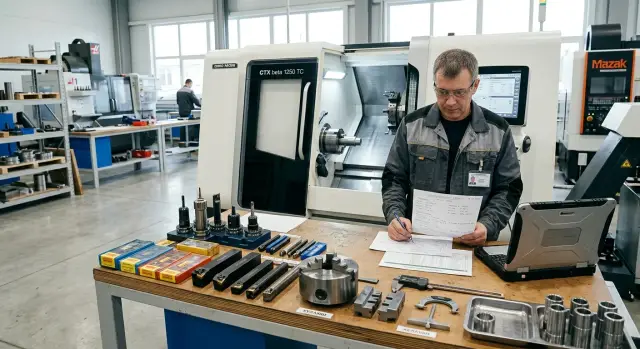
Y Axis on a Turning Center: When It Eliminates the Second Setup
We explain which operations the Y axis moves into one setup on a turning center, how to calculate time savings and when the option pays off.
Y axis on turning centersecond setupY axis payback
8 min
Launching a New Machine: How to Calculate Tooling for 3 Months
Launching a new machine requires the right stock from day one. Learn a simple way to calculate tooling and fixtures for three months without excess inventory.
new machine startuptooling and fixturestool stock calculation
7 min
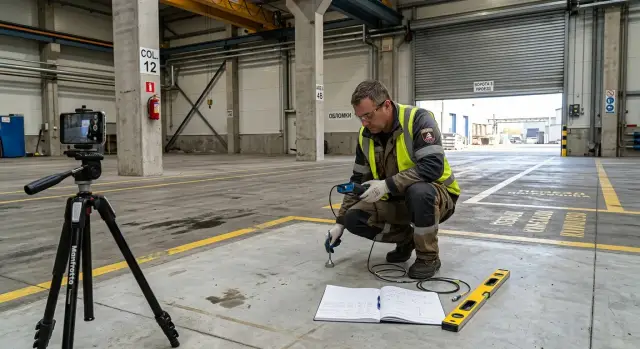
Checking a Site for Vibration Before Installing a Machine
Checking a site for vibration helps you understand in advance where placing a precision machine would be risky. Simple measurements, clear signs, and a checklist.
site vibration checkvibration before machine installationhow to choose a place for a machine

8 min
Scratches on Stainless Steel Parts: How to Reduce the Risk
Scratches on stainless steel parts often appear not on the machine, but during transfer. We break down the route, containers, and inspection for medical device parts.
scratches on stainless steel partsmedical equipment partsintermediate transport trays
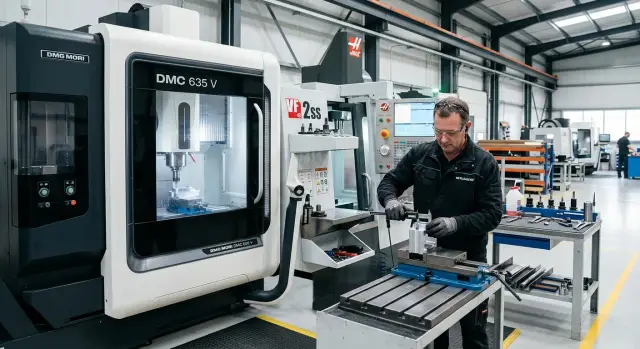
8 min
One operator for two machines: when the setup really works
A one-operator, two-machine setup does not fit every job. We break down cycle time, part type, inspection volume, and a simple check before launching this setup.
one operator for two machinesmachine cycle timepart measurement on CNC
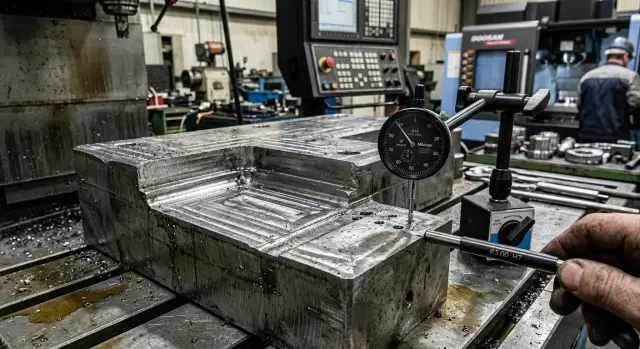
8 min
Small Dowel Pin Holes After Roughing: What Goes Wrong
Small dowel pin holes often drift after aggressive roughing. Learn how metal changes, where size is lost, and how to avoid an assembly failure.
small dowel pin holesaggressive roughingmetal deformation
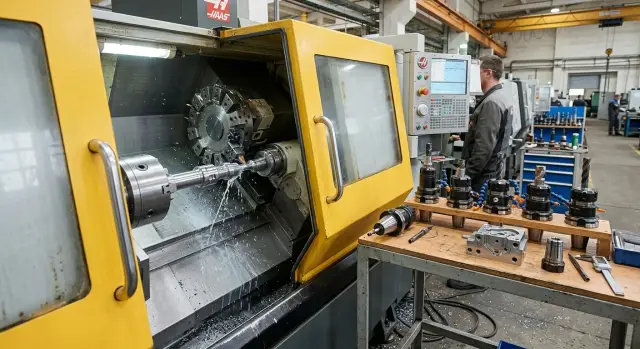
8 min
Driven tool for a turning center: how to choose
Choose driven tooling for a turning center by matching torque, RPM and actual operations. Learn how to avoid overpaying and pick the right holder for real work.
driven tool for turning centerCNC lathe holderstorque of driven tooling
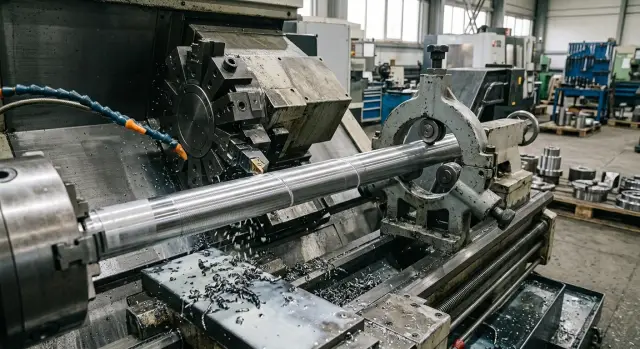
8 min
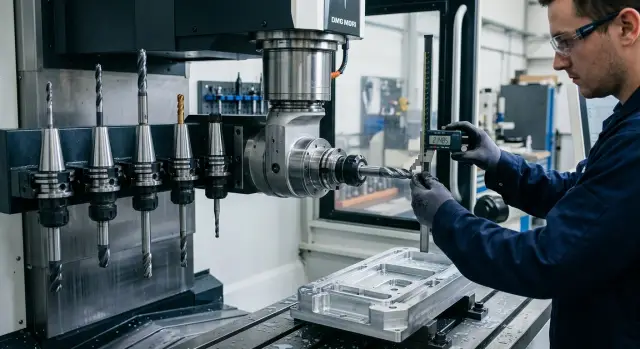
Turning long shafts without vibration: lunette and cutting modes
Turning long shafts without vibration needs proper support, calm cutting parameters and the right pass sequence. We review the lunette and common mistakes.
turning long shafts without vibrationlathe lunette supportcutting parameters for long shafts
7 min
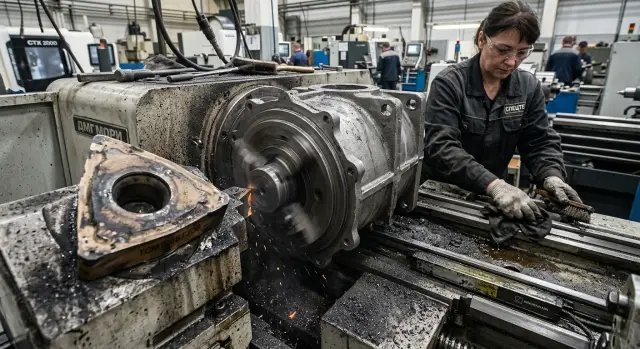
Tool Overhang in Milling: How to Choose the Length
Tool overhang in milling affects vibration, accuracy and cycle time. A simple approach helps pick the right assembly length without excessive margin.
tool overhang in millingtool assembly stiffnessassembly length for end mill
8 min
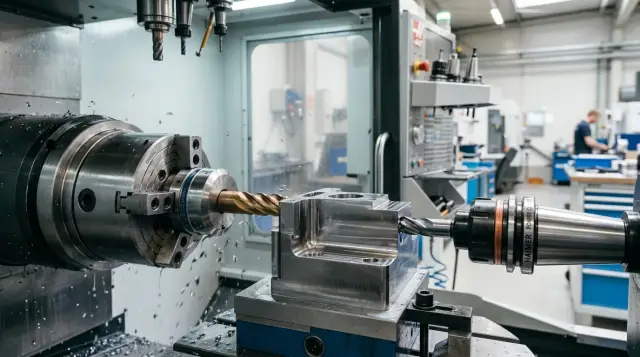
Mistakes in CNC Machining of Cast Iron: Dust, Wear, Failures
Mistakes in CNC machining of cast iron often start with dust: it wears guides, interferes with sensors and shortens insert life.
mistakes in CNC machining of cast ironcast iron dust on the machineCNC guide wear
8 min
Hydraulic Chuck or Shrink-Fit Holder for Steel Machining: How to Choose
Hydraulic chuck or shrink-fit holder for steel machining: we compare runout, tool change time, shop requirements, and a simple way to choose.
hydraulic chuck or shrink-fit holdertool runoutCNC tooling

7 min
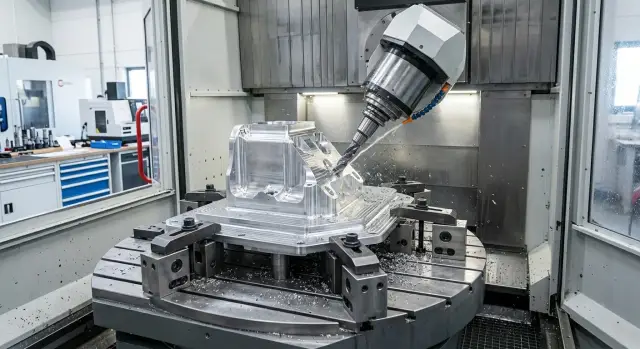
Part size drifting toward the end of the shift: temperature and wear
If part size drifts toward the end of the shift, the cause is often heating, tool wear, or operator actions. We provide a simple checklist.
part size drifts end of shifttemperature affects part sizetool wear on CNC lathe
8 min
Clamps in 5-axis machining: access and rigidity
Clamps in 5-axis machining: how to open tool access, keep rigidity, and choose a fixturing setup for housings and plates in one setup.
5-axis machining clampsfixturing for 5-axis machiningone-setup machining
7 min
Roundness and Cylindricity: Why Diameter Won’t Save You
Roundness and cylindricity explain why a part passes the micrometer but jams during assembly. We look at common cases, mistakes, and checks.
roundness and cylindricityform tolerancesdiameter inspection

8 min
Axis B or Rotary Table: Which to Choose for Housing Parts
Axis B or a rotary table: we break down which is better for housing parts, where cycle time grows and when an expensive option won’t pay off.
Axis B or rotary tablehousing parts5-axis machining
8 min
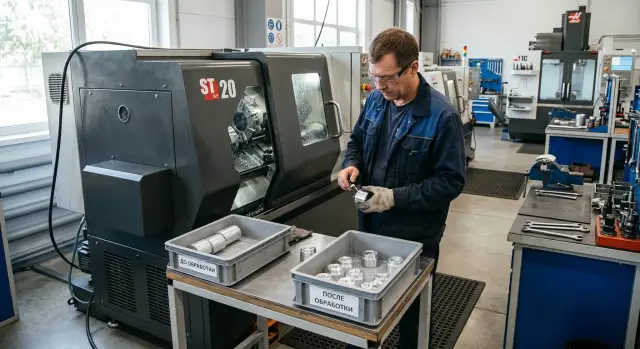
Finished-Parts Buffer Beside the Machine Without Manual Stops
A finished-parts buffer beside a machine helps eliminate manual stops. We’ll look at how to choose the bin, unloading step, and surface protection.
finished-parts buffer beside the machinebin for finished partspart unloading step
8 min
Deburring in the Flow Without Unnecessary Manual Work
Deburring in the flow: how to choose which edges to include in the process, what can be removed at the machine and how to avoid slowing down part production.
deburring in flowedge processing of partsremoving burrs at the machine
8 min
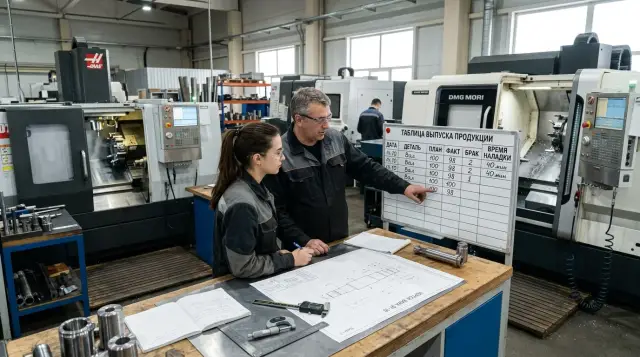
Control of Variable Stock Allowance Before the First Finish Pass: A Route
Controlling variable stock allowance before the first finish pass: how to choose measurement points, set reaction limits, and catch shifts without extra paperwork.
variable stock allowance controlpart measurement routefirst finish pass
8 min
Piece-rate Pay on a CNC Shop Floor Without Sacrificing Quality
Piece-rate pay on a CNC shop floor does not work for every run. Here’s how to connect good output, scrap, and setup without putting quality under pressure.
piece-rate pay on a CNC shop floorscrap and output on CNCmachine setup time

7 min
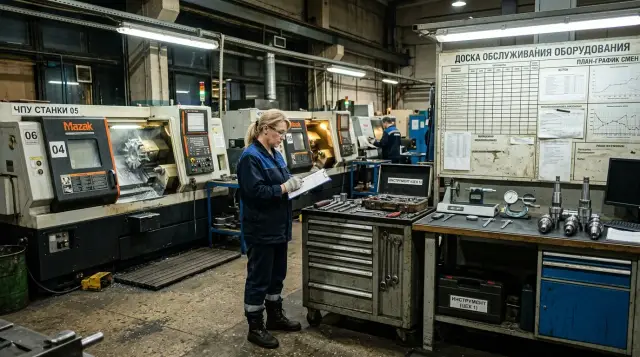
Stock Setup Zones When CAM Gets in the Way of Clamping
We explain how to add stock setup zones in advance so the jaws hold the part securely and the CAM model does not get in the way of clamping.
stock setup zonespart clamping on a machineclamping allowance
8 min
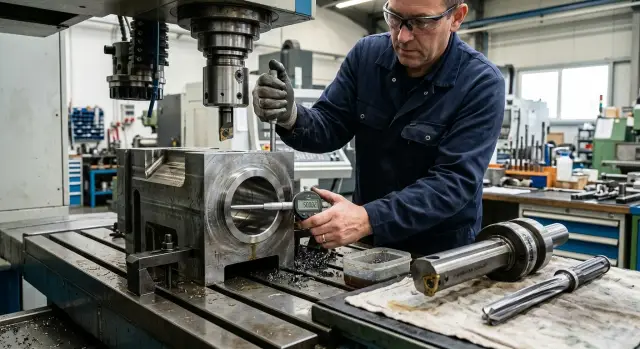
Preparing the shop for a second shift: what to check in advance
Readiness for a second shift depends on more than orders. Learn how to check tooling, maintenance, inspection, staffing and shift startup in advance.
second shift readinesssecond shift in manufacturingtooling and fixture check
8 min
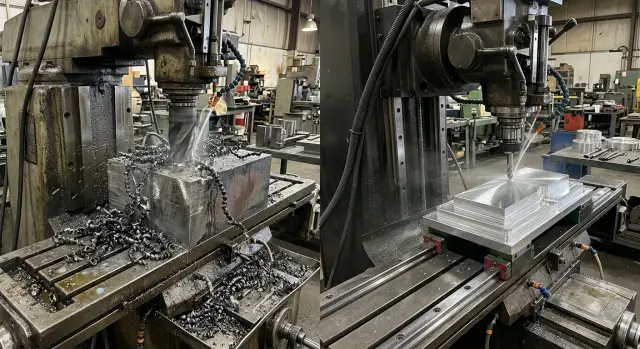
Boring Head or Reamer: Which to Choose for Holes
Boring head or reamer: compare tolerance, setup and batch time to choose the best way to finish a hole for your material and volume.
boring head or reameraccurate holehole tolerance
8 min
Boxed (Sliding) Guides or Linear Guides: Which Is Better in Practice?
We compare boxed (sliding) guides and linear guides: which performs better for roughing, surface finish and heavy cutting on CNC machines.
boxed guides or linear guidesrough machining on CNC machinesmetal surface finish