
Automated Production Lines
CNC-based automated lines for mass and large-batch manufacturing with minimal operator involvement.
Model Range
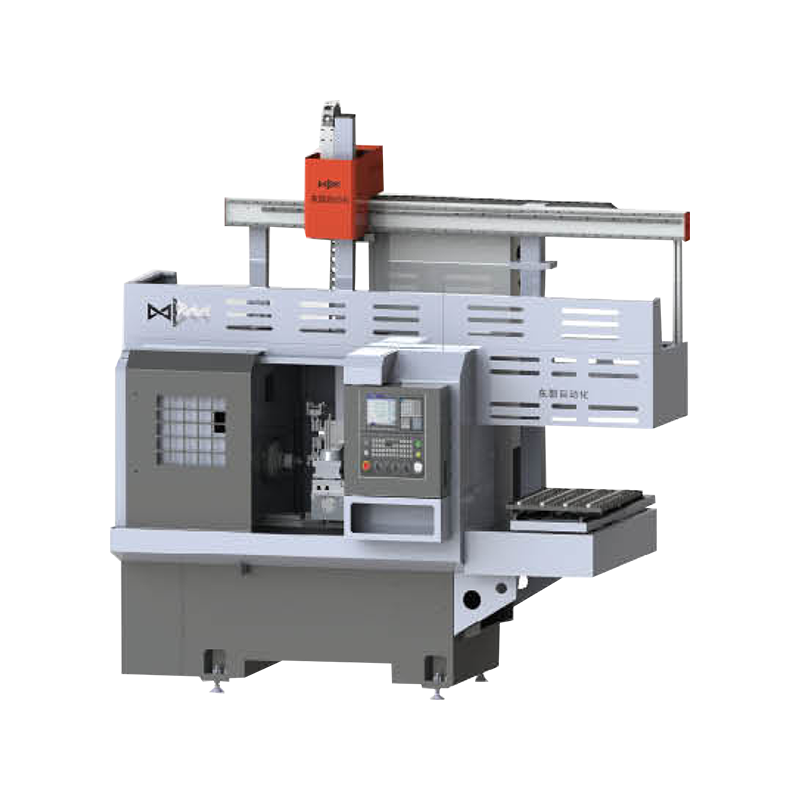
80140 Light A Series CNC Lathe Automation Production Line
80140 Light A Series CNC Lathe Automation Production Line Supplier
Key Specifications
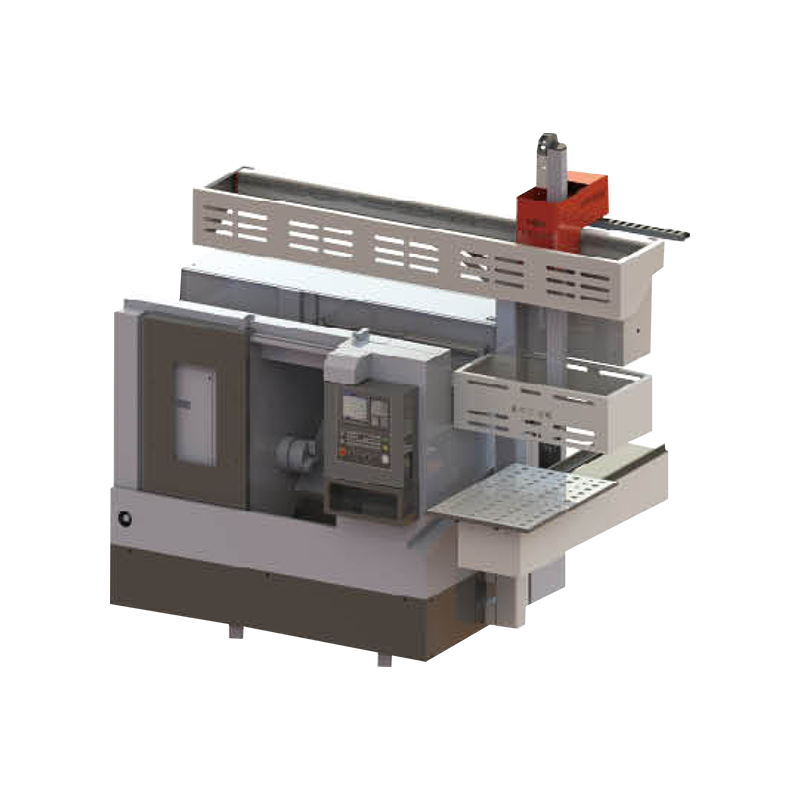
100150 Medium C Series CNC Lathe Automation Production Line
100150 Medium C Series CNC Lathe Automation Production Line Supplier
Key Specifications
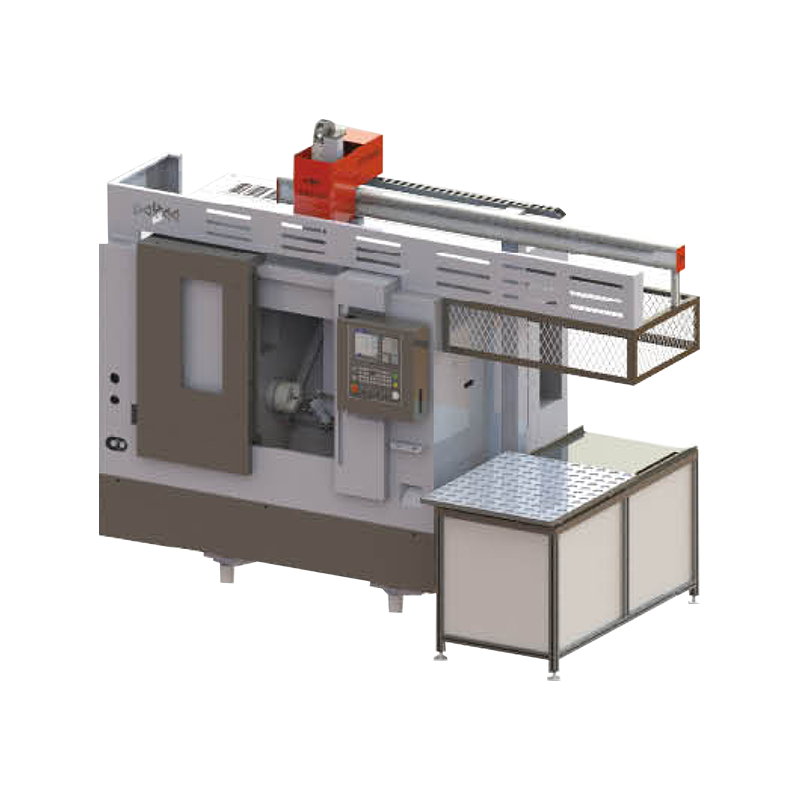
100150 Medium Y Series CNC Lathe Automation Production Line
100150 Medium Y Series CNC Lathe Automation Production Line Supplier
Key Specifications
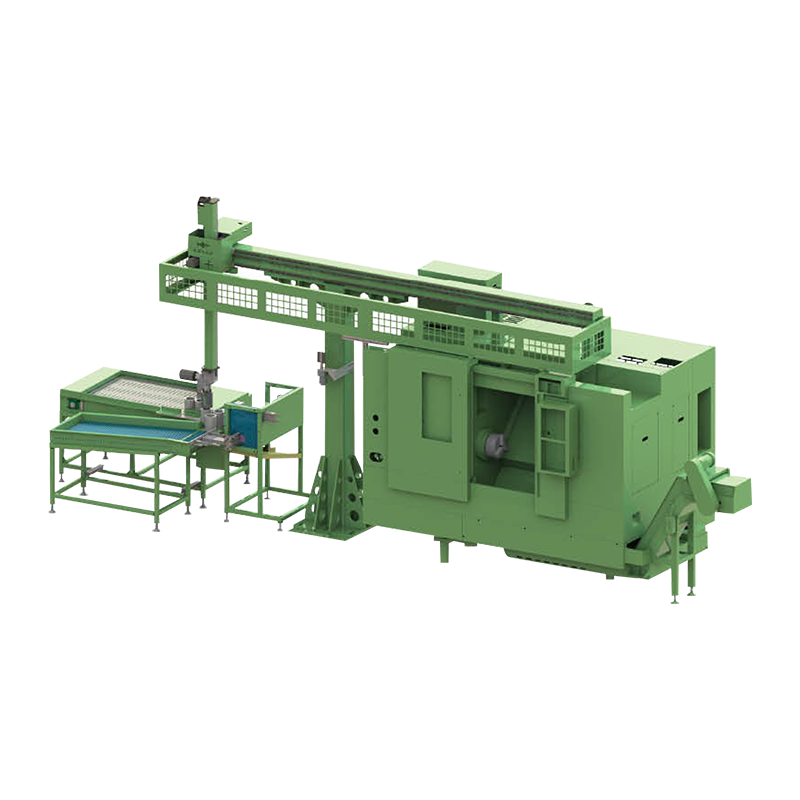
160160 Heavy Duty G Series CNC Lathe Automation Production Line
160160 Heavy Duty G Series CNC Lathe Automation Production Line Supplier
Key Specifications
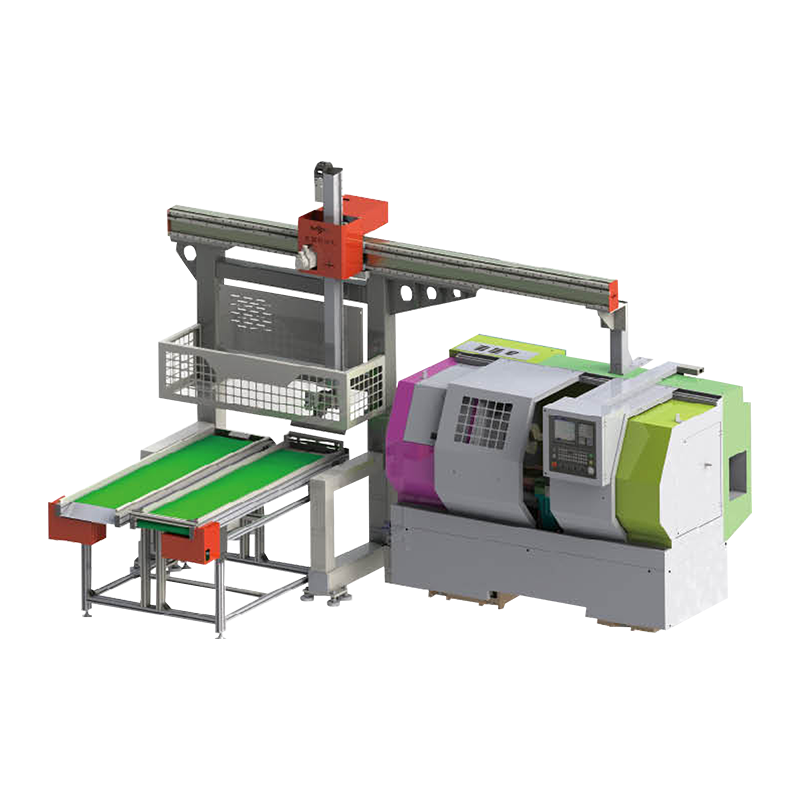
150200 Heavy Duty S Series CNC Lathe Automation Production Line
150200 Heavy Duty S Series CNC Lathe Automation Production Line Supplier
Key Specifications
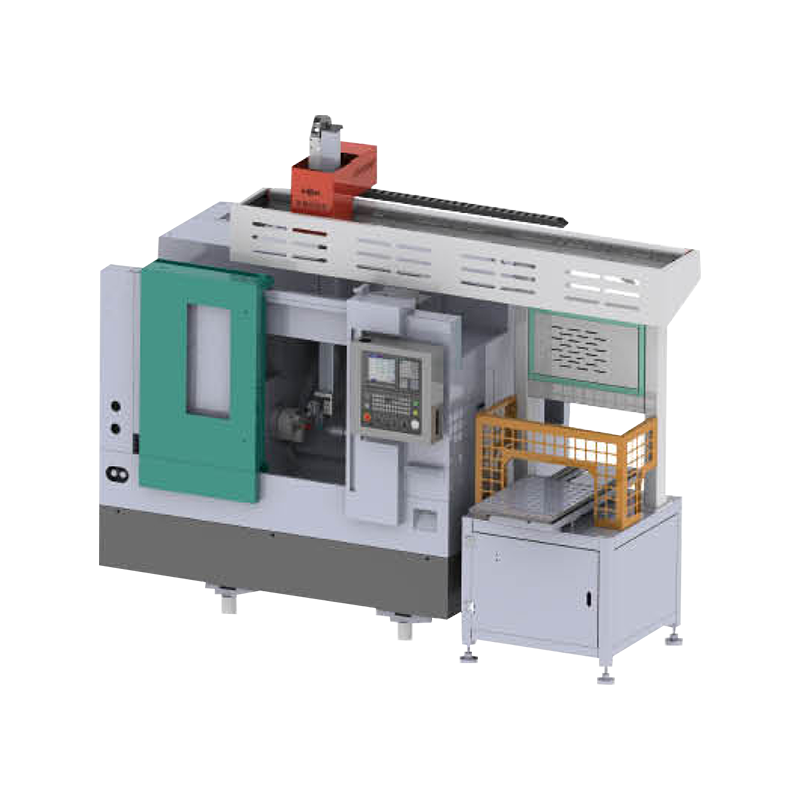
80140 Light L Series CNC Lathe Automation Production Line
80140 Light L Series CNC Lathe Automation Production Line Supplier
Key Specifications
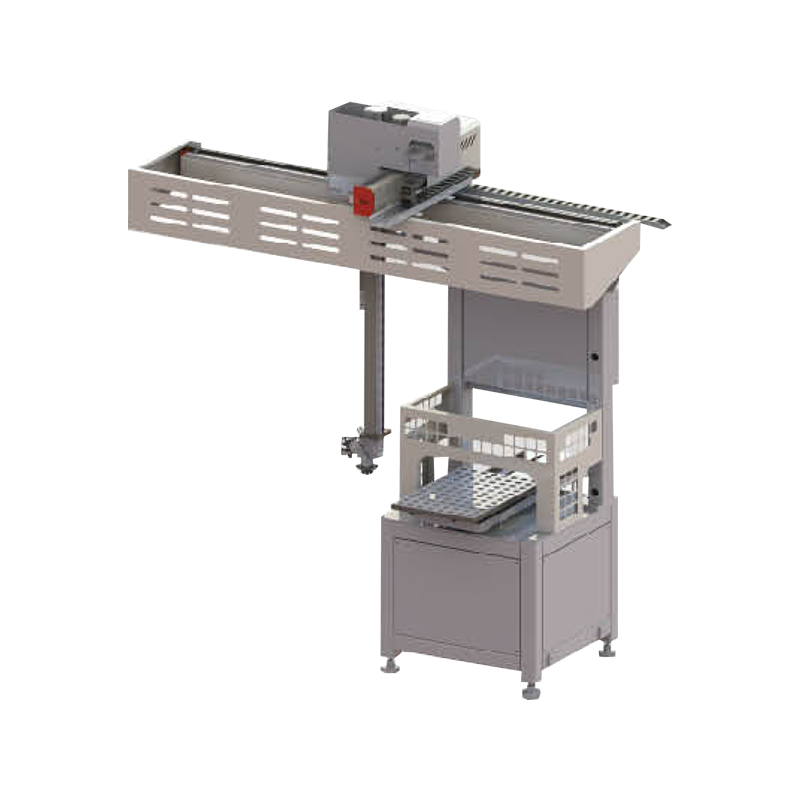
100150 Light LS Series CNC Lathe Automation Production Line
100150 Light LS Series CNC Lathe Automation Production Line Supplier
Key Specifications
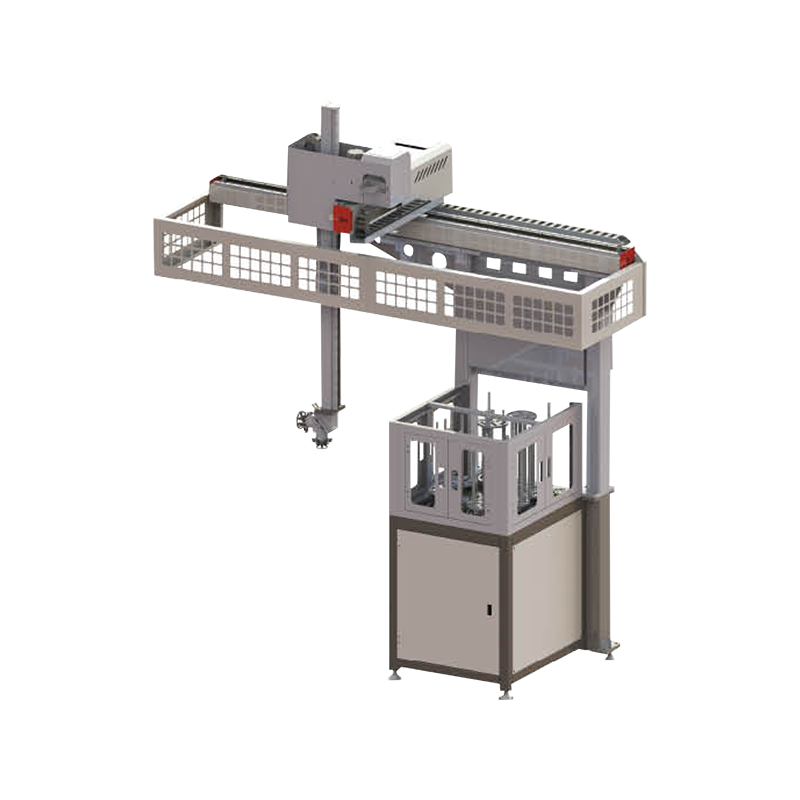
100150 Lightweight LS3 Series CNC Lathe Automation Production Line
100150 Lightweight LS3 Series CNC Lathe Automation Production Line Supplier
Key Specifications
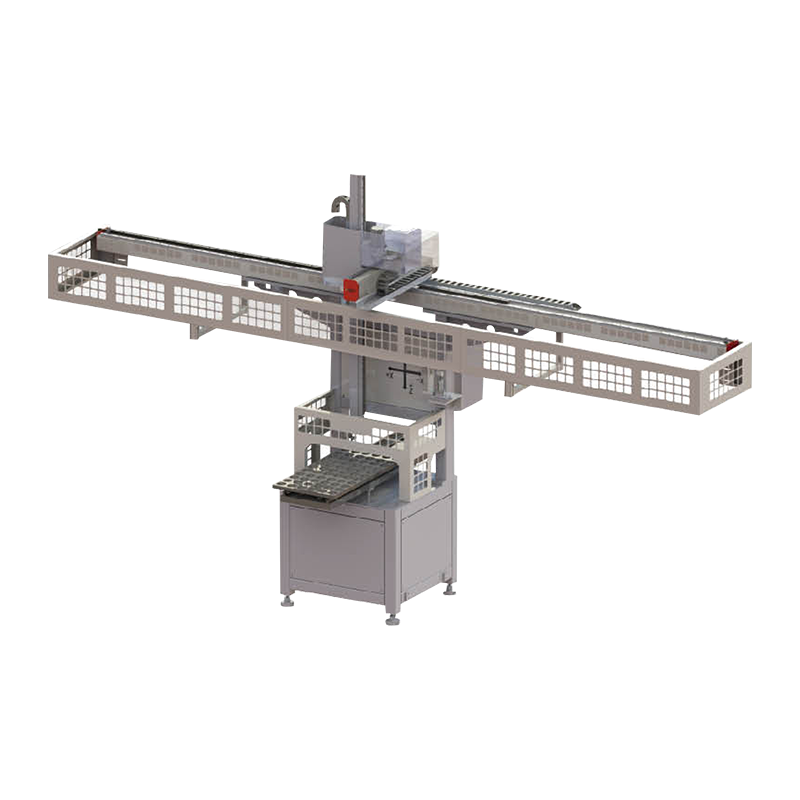
100150 Light KS Series CNC Lathe Automation Production Line
100150 Light KS Series CNC Lathe Automation Production Line Supplier
Key Specifications
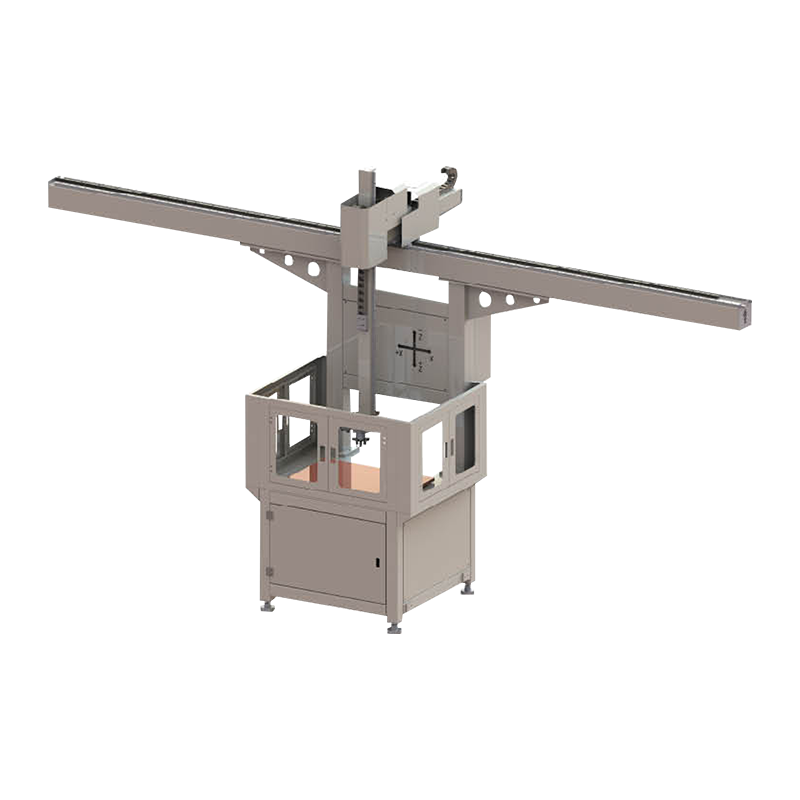
160160 Medium KS2 Series CNC Lathe Automation Production Line
160160 Medium KS2 Series CNC Lathe Automation Production Line Supplier
Key Specifications
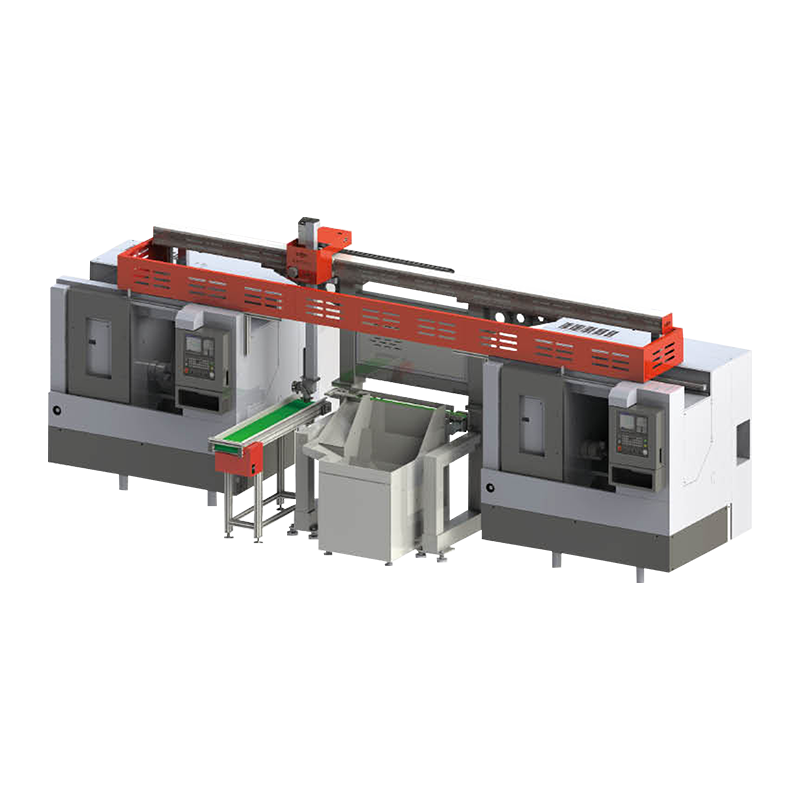
160160 Medium E Series CNC Lathe Automation Production Line
160160 Medium E Series CNC Lathe Automation Production Line Supplier
Key Specifications
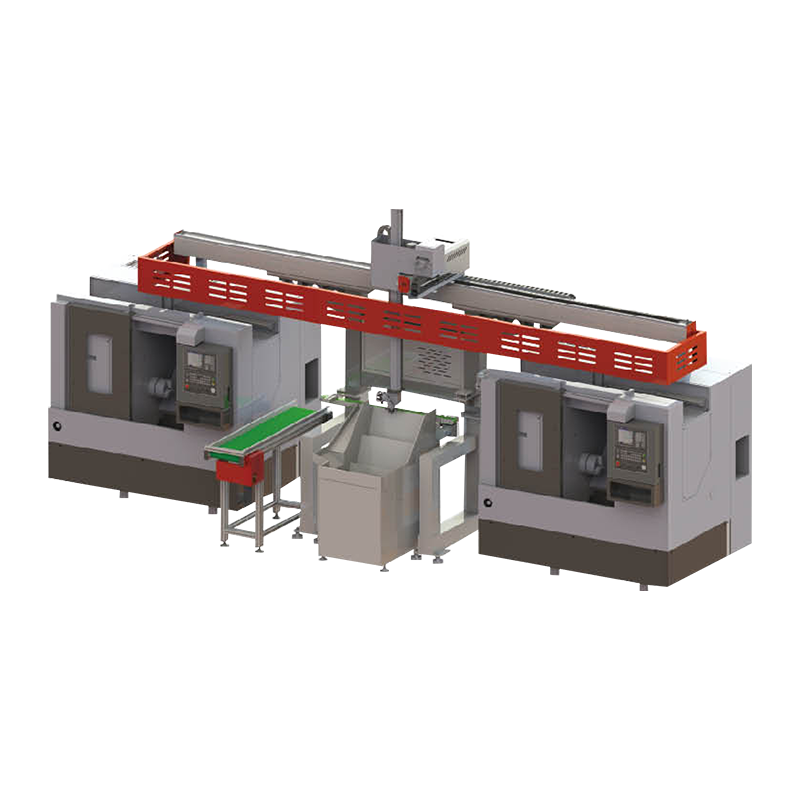
160160 Medium ES Series CNC Lathe Automation Production Line
160160 Medium ES Series CNC Lathe Automation Production Line Supplier
Key Specifications
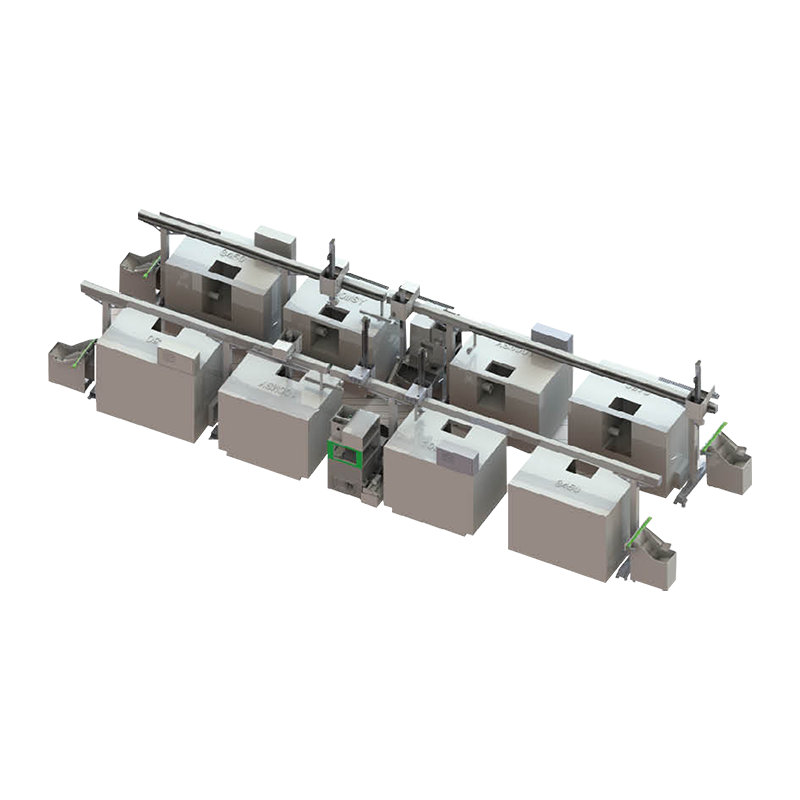
150200 Customized Heavy Duty Z Series CNC Lathe Automation Production Line
CNC Lathe Automation Production Line Introduction
Key Specifications
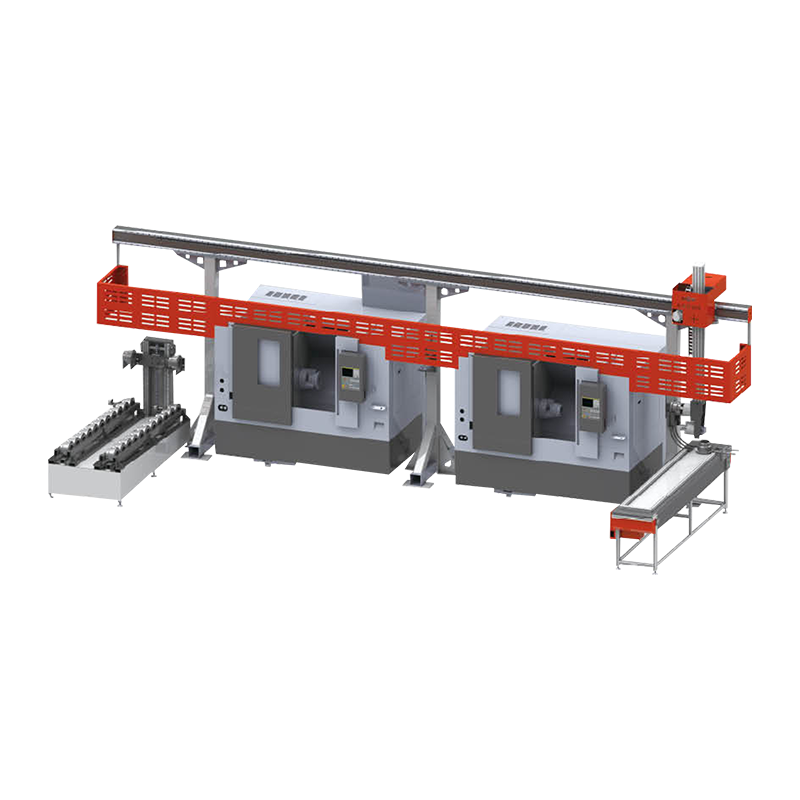
150200 Extra Heavy Duty M Series CNC Lathe Automation Production Line
One-to-two external truss manipulator
Key Specifications
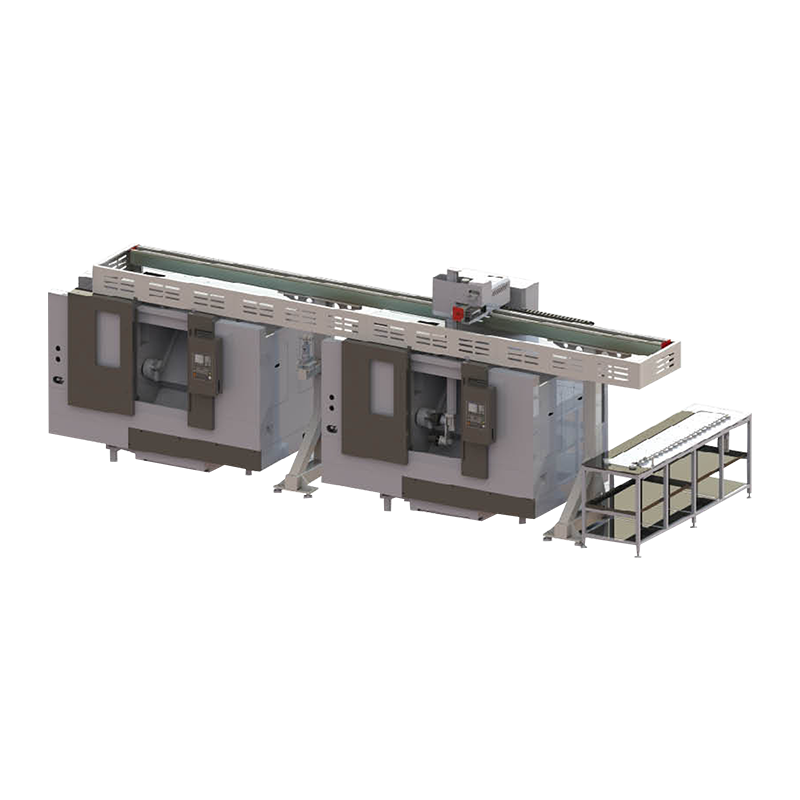
150200 Heavy Duty FS Series CNC Lathe Automation Production Line
One-to-two, three-axis external truss manipulator
Key Specifications
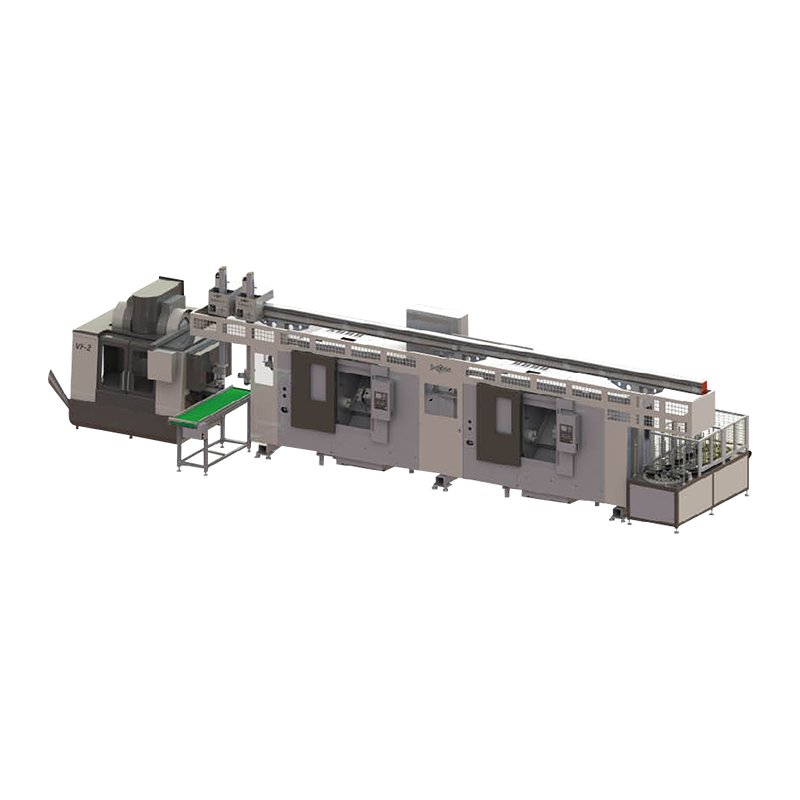
150200 Heavy Duty H Series CNC Lathe Automation Production Line
Two-to-three outer truss manipulator
Key Specifications
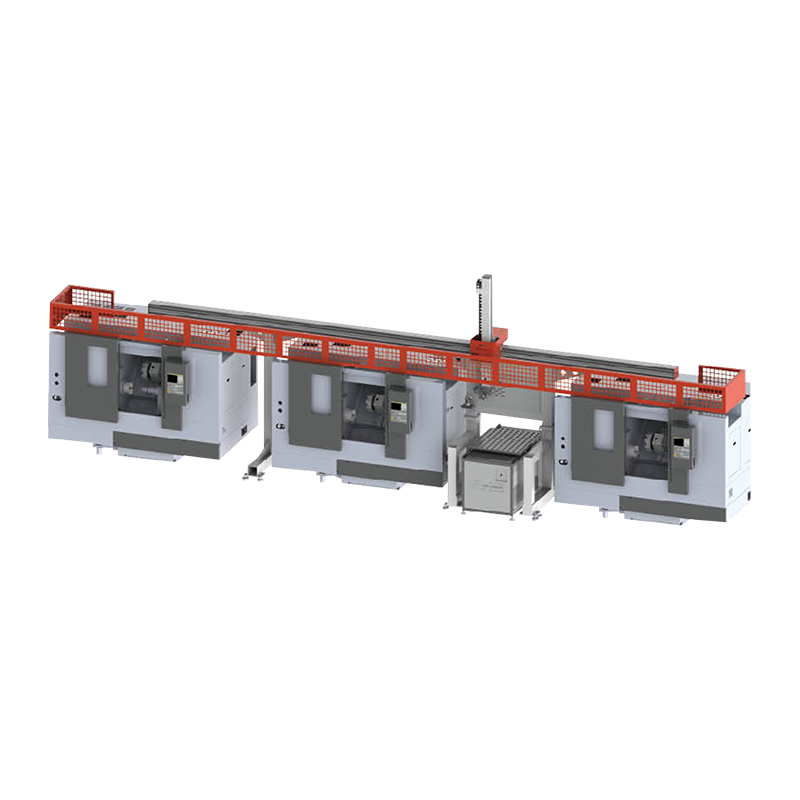
150200 Heavy Duty Q Series CNC Lathe Automation Production Line
One-to-three external truss manipulator
Key Specifications
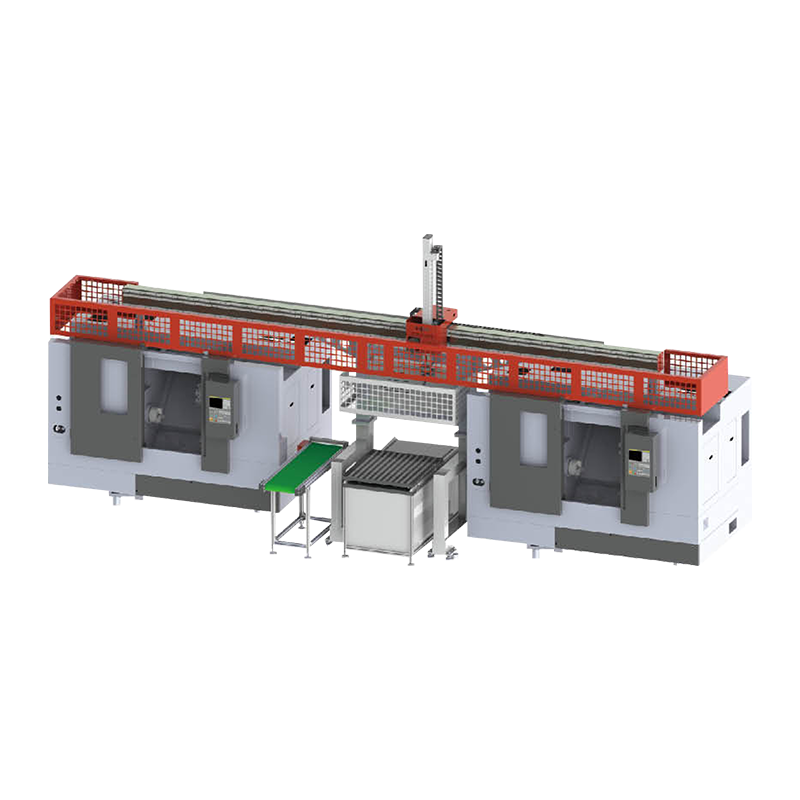
150200 Heavy Duty W Series CNC Lathe Automation Production Line
One-to-two external truss manipulator
Key Specifications
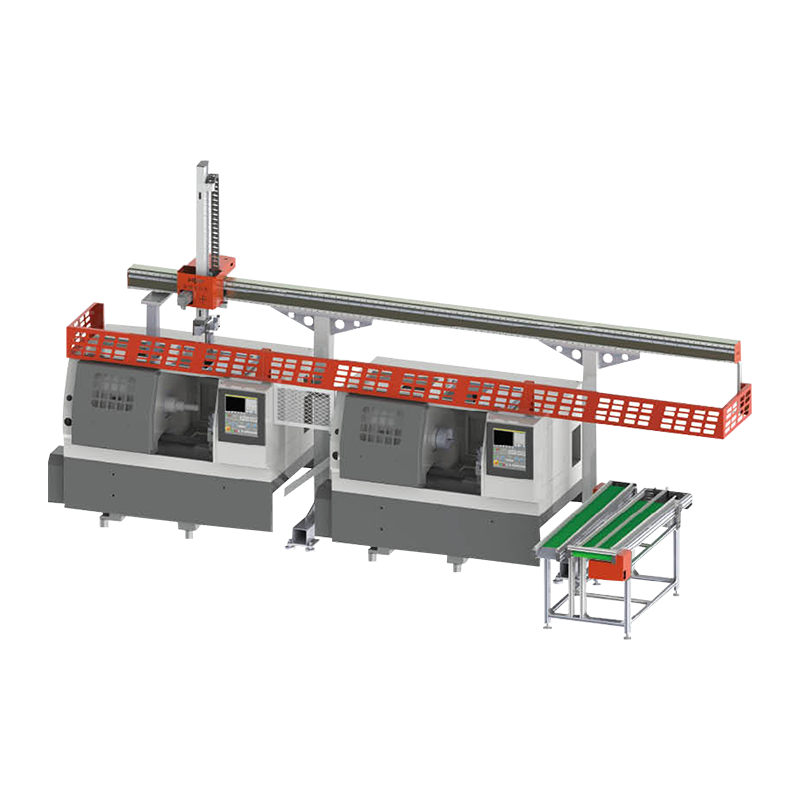
150200 Medium F Series CNC Lathe Automation Production Line
One-to-two external truss manipulator
Key Specifications
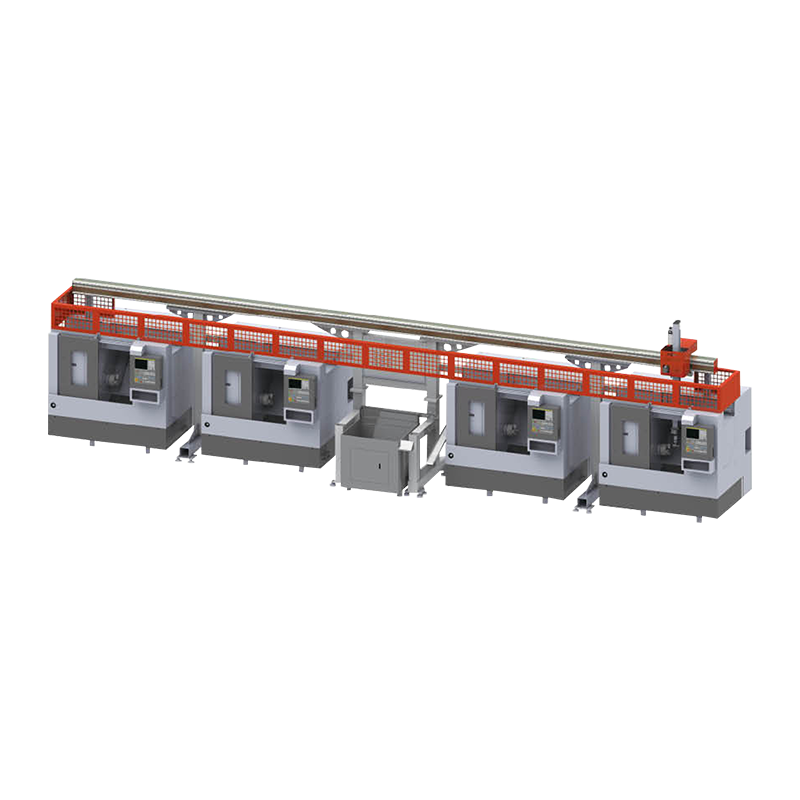
150200 Medium V Series CNC Lathe Automation Production Line
One-to-four external truss manipulator
Key Specifications
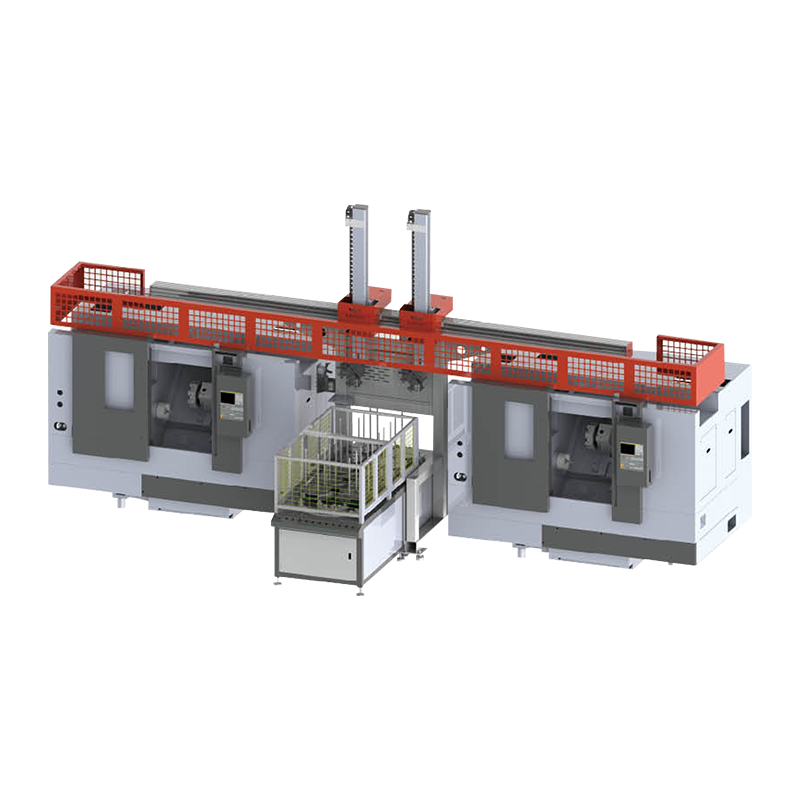
Double Arm Type M Series CNC Lathe Automation Production Line
One-to-two external truss manipulator
Key Specifications
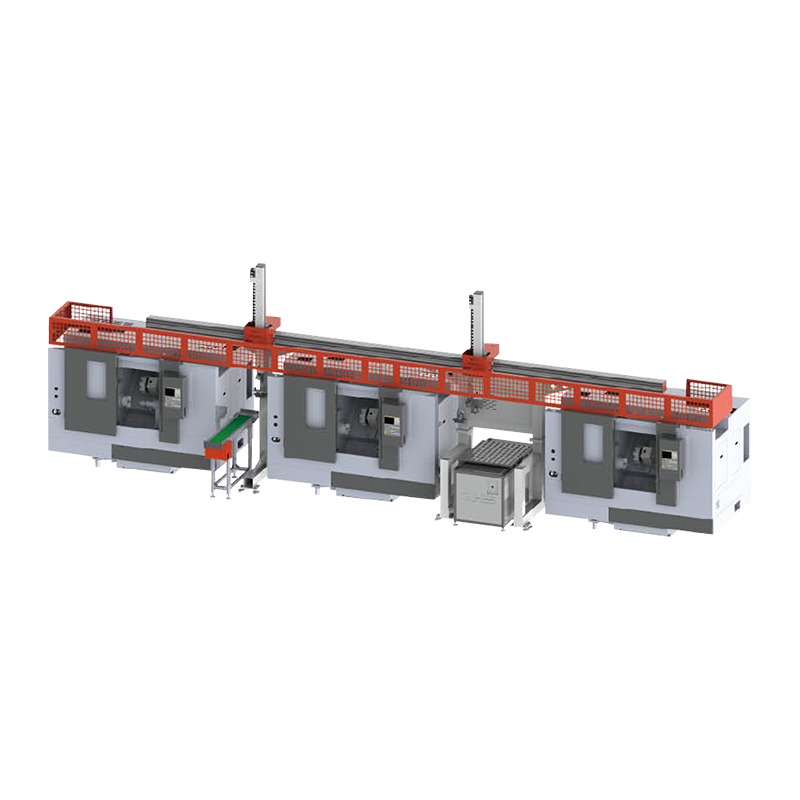
Double Arm Type N Series CNC Lathe Automation Production Line
One-to-three external truss manipulator
Key Specifications
Series Advantages
Where automated production lines are used
Automated production lines based on CNC turning and milling centres are the solution for facilities with serial and large-batch production where maximum productivity and minimal human involvement are required. The line combines several machines, robotic loaders, measurement stations and a control system into a single complex.
Automotive industry
Production of transmission components, wheel hubs, brake discs, gears and shafts in volumes from 100,000 parts per year. The line operates 24/7 with minimal maintenance.
Bearing industry
Serial production of rolling bearing rings. Full process cycle: turning, heat treatment, grinding, quality control — in a single flow.
Fasteners and hardware
Automated production of flanges, nuts, adapters, fittings. Workpiece feeding from a hopper, machining, inspection, packaging — without operator involvement.
Hydraulics and pneumatics
Serial manufacture of rods, plungers, cylinder bodies for hydraulic and pneumatic systems. High repeatability, every part inspected.
Energy and oil & gas
Production of downhole equipment components, valve elements, fittings and subs in medium- and large-batch volumes.
Electrical equipment
Manufacture of motor shafts, relay bodies, transformer flanges. Stable quality for serial production.
What an automated line includes
The line is engineered for the customer's specific process. Depending on the task, it may include various components — from a simple 'machine + robot loader' bundle to a full production complex with a dozen modules.
Materials machined on lines
Lines can be configured for any material — from soft non-ferrous alloys to heat-resistant steels. Machine selection and cutting parameters are determined by the technical specification.
Carbon and alloy steels
Steels 20, 35, 45, 40Х, 30ХГСА — main materials in automotive, machinery, oil & gas industries.
Bearing steels
ШХ15, ШХ20СГ — base for rolling bearing ring production lines. Machinable in both hardened and non-hardened states.
Carburising steels
20Х, 18ХГТ, 12ХН3А — for gears and gear wheels. The line can include a heat treatment module.
Stainless steels
AISI 304, 316, 12Х18Н10Т — for food, chemical and medical industries.
Non-ferrous metals
Aluminium alloys (Д16, АК4), copper, brass, bronze — for electrical engineering, hydraulics, instruments.
Cast iron
Grey, malleable and high-strength — for housings and gears in mass production.
Heat-resistant alloys
Inconel, ХН77ТЮР — for specialised lines in aerospace and energy.
Bar stock
Calibrated bars 6-100 mm diameter — for lines with automatic hopper feeding.
Castings and forgings
Castings and forgings — machining from rough to finish operation in a single flow.
Why order a line from the official representative
MetallPromIndustria is the official partner of Taizhou Eastern CNC Technology in Kazakhstan. We engineer lines to your tasks, supply equipment from the factory, manage the project from specification to commissioning.
Engineering for your task
A line is not an off-the-shelf product but a project. We analyse your specification, production volumes, quality requirements and engineer a solution for your specific process.
Direct factory contract
No intermediaries. The price is factory cost plus transparent engineering, logistics and commissioning costs. No hidden markups.
Payback calculation
Before contract signing we prepare the economic justification: line cost, productivity, labour cost savings, projected payback. Transparent figures for decision-making.
Logistics and customs
A line is dozens of tonnes of equipment. We handle all logistics: sea freight, customs clearance, site delivery, rigging.
Commissioning by factory engineers
Line assembly and commissioning by Taizhou Eastern CNC factory specialists together with our engineers. Installation period — 30 to 90 days depending on complexity.
Technologist and operator training
Training programmes for technologists (programming, setup, diagnostics) and operators (line maintenance, MES use). 2 to 6 weeks.
Spare parts and consumables
Local spare parts stock for lines. A spare kit of high-runner items is supplied with the line to minimise downtime.
Warranty and post-warranty service
12-month warranty on the line from commissioning. Post-warranty maintenance contracts, scheduled service, remote diagnostics.
Project management
We assign a dedicated project manager who runs the line from contract signing to reaching designed capacity. Single point of accountability.
Automated production line FAQ
Ordering an automated line is a major investment project. We have collected answers to the key questions that arise during scoping. If you have your own question — write us, we will go into detail.
How does ordering an automated line start?
With a technical specification. Required: typical part drawing(s), required productivity (parts per shift/year), accuracy and quality requirements, available production area, project budget and timeline. Based on the specification we prepare a technical and commercial proposal with a line layout, equipment specification, indicative price and timeline.
How long does project implementation take?
Full cycle — 6 to 14 months. Includes: pre-engineering and specification approval (1-2 months), detailed engineering (1-2 months), equipment manufacture at the factory (3-6 months), sea freight and customs (1-2 months), installation and commissioning (1-3 months), training and handover (1 month).
How much does an automated line cost?
Price varies significantly with complexity. A simple 'one machine + robot loader' bundle — from 80-120 thousand USD. A line with 2-3 machines and a measurement station — from 250-400 thousand. A full mass-production line — from 800 thousand to several million USD. Exact pricing — after specification scoping.
How to assess economic feasibility of a line?
A simple calculation: review your current part cost (labour, material, overheads), estimate line productivity and number of shifts, compare with current volume. A line typically pays back in 2-4 years at full utilisation. Before contract signing we prepare a detailed financial calculation for your project.
Can the line be retooled for different parts?
Yes, if the line was designed with flexibility headroom. During specification we build in retooling capability — software (program changes), mechanical (quick-change tooling), or modular (station replacement). Full retooling for a completely different part is normally 1-3 days.
What control system is used?
At individual machine level — Fanuc or Siemens. At line level — Taizhou Eastern CNC's own MES, or integration with your existing MES (SAP, 1С:ERP, Galaktika). Data exchange with upper-level systems (ERP, BI) via standard OPC UA protocols.
How many staff are needed to operate the line?
Depends on complexity. A typical line of 2-4 machines is operated by 1 operator per shift + 1 setter-technologist per shift (can serve 2-3 lines simultaneously). This is 5-10 times less staff than equivalent production with conventional lathes.
What happens if a machine in the line fails?
Lines are engineered with reliability and bypass capability in mind. If one machine stops, part of the line may continue operating, or production switches to manual servicing. Remote diagnostics allow our engineers to connect to machines and resolve most issues without site visits. A stock of critical spare parts is held in Kazakhstan.
Need a Consultation?
Our specialists will help you find the optimal machine for your tasks and budget