
Probe, presetter, or manual tool measurement: which to choose
Probe, presetter or manual tool measurement: we’ll break down which method holds tight tolerances, suits small batches and avoids unnecessary costs.
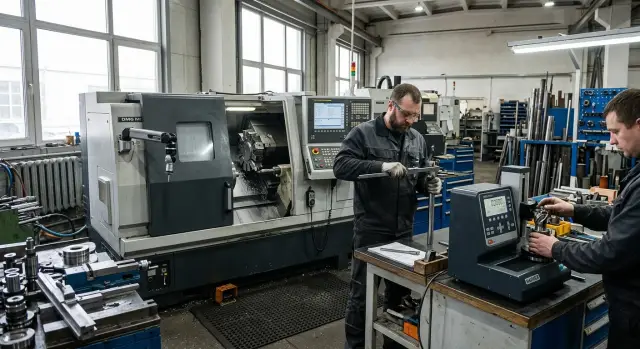
Why this choice sparks debate
The argument over whether a probe, presetter, or manual tool measurement is best comes up in nearly every shop. The reason is simple: everyone tries to combine three goals at once — accurate sizing, fast startup and reasonable costs. In practice, these goals don’t always align.
What’s convenient for a single part can slow a series. What helps keep tight tolerances doesn’t always pay off on a short job. So one technician says, “Why overpay?” and another answers, “One bad run already costs more.”
A probe is popular because it measures right on the machine. After changing an insert or adjusting a cutter, the operator gets the tool back into production quicker. This is useful when the size can’t be relaxed even a little. But a probe doesn’t solve everything by itself. It costs money, needs setup and adds time to the cycle.
A presetter solves a different problem. It lets you prepare tools off the machine and get them into production with more predictable results. In series production this is often economical: while the machine cuts, the technician prepares the next set. But for runs of a few pieces that workflow can be overkill.
Manual measurement looks like the simplest and cheapest option. For one-off starts it often fits. Especially when the part isn’t too sensitive to size and the operator is experienced. The problem is that its low cost often exists only on paper. One wrong tool offset can quickly become scrap, a re-setup and lost machining time.
Usually the argument comes down to different perspectives. The operator wants to start the job without extra steps. The process engineer cares about repeatability from batch to batch. Management counts the cost of an error and when the equipment will pay off.
Series production and one-off orders follow different rules. If parts are produced continuously, repeatability and quick changeover matter. If batches are small and the product mix constantly changes, flexibility often beats an expensive system. So there’s no universal answer.
What actually affects the dimension
The part’s dimension is often influenced not by the measurement method itself but by the stability of the entire chain. One good measurement proves nothing. If the size "wanders" across ten parts, the issue isn’t the number on the screen but the process repeatability.
Four things typically ruin the result:
- backlash;
- runout;
- thermal growth;
- different approaches by operators.
Backlash makes the carriage or turret hit the point slightly differently each time. Runout changes the load on the cutting edge and yields varying diameters. Thermal growth is significant too: spindle, holder and tool heat up and after an hour the size can drift even with the same offsets. Changing the operator adds a human factor. One person cleans the reference, double‑checks the measurement and watches runout. Another rushes and starts from a different baseline.
Tool length affects the size more than it seems. The longer the overhang, the more the tool deflects under load, especially in light cuts and boring. An error of a few hundredths changes machining depth and then the final part size.
So it’s not enough to set zero once. Length and radius must be set the same way every time. For tight tolerances this consistency matters more than a single good result on the first part.
A good example is a drill or boring bar after an insert change. The tool looks almost the same, but its actual length may differ. If the operator left the old value or touched the reference with different force, the first part can already be out of tolerance.
That’s why the question “probe, presetter or manual tool measurement” usually boils down to one thing: which method gives the same result in your shift, on your machine and with your parts. If the machine mechanics are worn, neither a probe nor a presetter will save the size by itself.
When a probe justifies the cost
A probe for tool measurement sits in the machine work area. After changing a drill or mill the machine brings the tool to the probe, touches it using a programmed cycle and records the length — and sometimes the radius — into the offsets. The operator doesn’t have to guess a touch or measure the tool separately.
A probe usually pays off where tools are changed often. After an insert change, a broken drill or a switch to a different operation the machine quickly rechecks overhang and work continues. If there are many such stops per shift, a probe often saves more time than its purchase seems to imply.
This is most visible on serial parts where size must repeat from part to part. A probe measures the tool in the same coordinate system used for machining. That reduces the risk of errors when transferring values or typing them in manually.
For tight tolerances this often gives a real advantage. When a shop holds tight finishing dimensions for hundreds of parts, even a small overhang error immediately shows in the part. On CNC lathes making components for automotive, construction equipment or medical gear, that control often pays off.
A probe usually makes sense when:
- tools are changed several times per shift;
- machine downtime is costly;
- size drifts after every tool change;
- repeatability over a long run is required.
But it’s easy to overpay for a probe. The sensor itself is not cheap, it needs space in the work area and on compact machines that’s not always convenient.
Careful setup is required. Someone must program measurement cycles, safe approaches and error‑free recording of offsets. Without that, a probe won’t reduce scrap risk and can introduce new problems.
Common shop causes of false readings include chips on the probe face, coolant droplets, too fast an approach or poorly clamped tools. The machine records an incorrect overhang and the part goes out of size right after a tool change.
If you run small batches, change tools rarely and have relaxed tolerances, a probe may not pay off. But when CNC tool measurement must be fast and frequent and size must hold without extra pauses, a probe usually brings the clearest benefit on the shop floor.
Where a presetter brings the most benefit
A presetter is useful where measuring tools off the machine is more efficient. While the machine cuts, the operator can assemble the next tool holder, check length and radius, record values and prepare the change without hurry. The machine doesn’t stand idle for each new cutter or bar, and often that saves more than the device’s cost.
The difference is most pronounced in series production. If a shop makes the same part dozens or hundreds of times, a presetter shortens the time between startups and tool changes. The first good dimension usually comes faster because the tool is entered into the machine with known baseline values instead of being set "roughly by hand."
A presetter is particularly useful when tools are preassembled in cassettes or holders, changes follow a schedule and the same tooling repeats from order to order. It also helps when the machine is expensive to idle and you don’t want to occupy it for measurements.
This approach is convenient on CNC lathes and machining centers with many tools and regular changeovers. For shops doing series metalworking it reduces fuss: fewer manual recalculations, fewer trial touches and fewer mistakes made in a hurry.
Simple example: a shop runs a batch of identical bushings and changes several cutters for wear during the shift. With a presetter the new cutter is prepared ahead, put into the machine and yields a start point close to the calculated value. Without it the operator spends longer finding the size on the first parts and the machine often sits idle.
But a presetter doesn’t solve everything. It won’t remove runout from a bad holder, fix backlash, stop thermal growth or compensate wrong cutting parameters. If the tool wears in use, the workpiece clamping is unstable or the machine itself needs service, a presetter alone won’t fix the problem.
View a presetter as a tool for fast, repeatable preparation rather than a substitute for in‑process control. For a reliable series start it’s very useful. For infrequent one‑offs its benefit may be small.
When manual measurement is quite appropriate
Manual measurement hasn’t become obsolete. It works well where changeovers are few, tooling is simple and there’s no fight for every hundredth. If a shop does one‑off parts, repair work or short runs, expensive automation often doesn’t pay back.
The manual approach usually fits simple turning and milling where the operator changes few tools and calmly checks the overhang before startup. With tolerances around 0.05 mm or larger this is often enough if the machine is in good condition and the tool behavior is predictable.
Manual measurement is most justified when the batch is small, tools are few, the part is simple and a single trial part doesn’t ruin the job economics. In these tasks there’s no point in paying for a probe or presetter if the operator spends 10–15 minutes measuring and then runs the whole batch without further correction.
A simple example: you need to turn 12 bushings with common tolerance using two cutters. The operator measures tools by hand, makes a trial part, adjusts offsets and produces the whole batch. If such jobs come once a week, a presetter might sit idle longer than it works.
But manual measurement has a clear limit. It becomes a bottleneck when batch size grows, the number of tools increases and restarts during the day multiply. If an operator regularly measures 8–10 tools manually and spends 20–30 minutes per shift on adjustments, the savings disappear quickly.
For tolerances around 0.01–0.02 mm manual measurement is risky. One errant tool, different measuring pressure or ordinary haste immediately affects the part. At that point convenience ends and in‑machine measurement is preferable.
How to choose without unnecessary theory
Start with the part, not the price of a probe or presetter. The same method can be overkill for a simple bushing and almost mandatory for a part with tight tolerance and a long chain of operations.
Answer five practical questions:
- What is the part’s tolerance? If the size is safely within margin and geometry is simple, manual measurement often suffices. If tolerance is tight, tools are numerous and errors are costly, look at probes or presetters.
- How many tool changes per shift? With few changes manual measurement doesn’t slow things much. With many changes even an extra 3–5 minutes per tool becomes expensive.
- What’s the cost of an error? If a single scrap, rework or machine downtime costs more than a proper measuring system, saving on equipment quickly loses value.
- Who will operate the system after commissioning? Probes and presetters help only if people know how to use them, check them and fix small faults fast.
- What are your batch types? For small, simple batches manual measurement usually suffices. For medium batches with frequent changeovers a presetter often gives a reliable start. For repeating batches where size must be stable from run to run a probe typically pays back faster.
A simple rule: the more costly the error and the more often you touch the tool, the less sense manual measurement makes. Conversely, if batches are small, parts simple and the operator skilled, the extra expense for an advanced system may never return.
In practice you choose based on the shop’s rhythm. Sometimes it’s wiser to keep manual measurement on some operations and fit a probe only where size drifts most often.
Example with a small batch
A small shop turns four types of bushings in runs of 20–30 pieces. The material is the same, but lengths, diameters and tool overhangs change almost every operation. Series are small and changeovers frequent, so time is spent not so much cutting as getting the first good part.
With a 0.02 mm tolerance the choice between probe, presetter and manual measurement usually isn’t critical. The operator can set the tool manually, make a first bushing, measure it and quickly adjust offsets. Manual measurement often covers the task if the machine is stable and the operator isn’t rushed. A presetter just saves startup time. A probe works too, but its monetary benefit on a small run may be hard to see day to day.
Typical times look like this:
- manual measurement: setup in roughly 12–20 minutes, but it almost always requires a trial part and extra checks;
- presetter: reduces startup to 7–12 minutes because the tool is closer to size from the start;
- probe: on the machine usually fits in 8–15 minutes if cycles are set up and the operator is used to them.
Now the same shop takes a bushing with a 0.005 mm tolerance. Manual measurement becomes nerve‑wracking. The smallest error in overhang, insert seating or offset entry quickly eats into the tolerance. You can hit the tolerance, but one scrap in a small batch immediately hurts cost.
For this tolerance a probe looks more confident because it measures the tool in the working position. A presetter is also useful, especially when many different tools and frequent changes are involved. But it doesn’t replace checking the first part: the machine heats up, the insert beds in and the material also shifts the result.
The takeaway: for 0.02 mm and short runs manual measurement or a presetter is often enough for faster startup. For 0.005 mm skimping on measurement usually backfires. In such work a probe is commonly justified, and a presetter is best seen as a way to speed preparation rather than replace first‑part checks.
Where shops usually overpay
The debate often narrows to purchase price. But extra costs begin earlier — when a shop picks a measurement method not for its work but “just in case.”
A common mistake is buying a presetter for status. If tools change rarely, batches are small and the technician already prepares tooling in time, an expensive device may not deliver noticeable return. It pays off where many tools, frequent changeovers and costly machine idle time exist.
The same goes for probes. A probe alone won’t save you from sizing errors. If operators rarely check calibration, use a worn probe or ignore measurement conditions, the numbers will look precise only on screen. Then the shop hunts for the cause of scrap in the chuck, material or tool when the real problem was a bad measurement baseline.
Manual measurement has its own risk. It seems cheap until changeovers get hectic. In haste an operator can shift zero, mix up compensators or enter an extra digit. On one part this may go unnoticed. On 20–30 parts the mistake rapidly turns into scrap or lengthy adjustments at the machine.
To see real costs, consider the whole work cycle. How many minutes does the machine wait after each tool change? How many parts go to rework or scrap? How often do operators recheck sizes manually? What is one hour of downtime for this machine worth? Who monitors calibration and how?
Sometimes the numbers are surprising. A shop that skips a probe may lose a shift to tool chasing and checks. Or buy a presetter for a low‑utilization machine and later can’t justify when it will ever pay back.
The worst mistake is looking only at the supplier’s invoice. If a measurement method reduces scrap, removes extra stops and shortens time to first good part, it can pay back in months. If it doesn’t, even an expensive system becomes needless spending.
What to check before deciding
A few simple checks are usually enough.
First, pull the drawings for the parts your shop makes most often. One rare order with very tight tolerances isn’t a reason to buy an expensive system. It matters if such parts are regular and scrap on even one operation eats into profit.
Then count how many times a tool is changed per shift. With two or three changes a day the difference between manual and automated methods may be small. With twenty changes it becomes apparent very quickly.
Next, convert errors into money. How much does one scrap part cost? How much does an hour of downtime cost while the operator diagnoses and resets the tool? These numbers clarify the picture better than any argument.
Assess the people on the shift. An experienced setter can work a long time without extra automation. But if different operators do setups, a probe or presetter often gives steadier results simply by reducing manual variation.
Finally, think six months ahead. If volume is rising and the range of parts is widening, manual measurement will start to slow you sooner than you expect.
For small batches with rare tool changes manual measurement is often sensible. For frequent changeovers and repeating parts a presetter or probe typically pays back not “someday” but through fewer errors and shorter setups.
What to do next
Don’t rely only on others’ experience. First collect your own numbers: the tolerances you hold, monthly part quantities, how often you change tools and how much one bad size costs. With these figures the argument becomes much simpler.
Then compare them with the machine and tooling. On one CNC lathe a probe pays off quickly because the operator changes tools often and holds tight sizes. On another machine manual measurement will do the job without extra cost. Revolving heads, holders, tooling repeatability, access to tools and how often you run short series all matter.
If batches are small and tolerances aren’t extreme, don’t rush to buy everything at once. Often it’s wiser to start with a clear manual measurement scheme or a presetter and add a probe later when workload justifies it.
If the question arises when choosing a new machine, discuss it before delivery. EAST CNC, the official representative of Taizhou Eastern CNC Technology Co., Ltd. in Kazakhstan, helps select CNC lathes, configurations, commissioning and service. In that conversation it’s useful to clarify whether a probe is needed immediately, whether a presetter will have an effect, or whether manual measurement will be enough at the first stage.
A practical final step: take one real part, one typical batch and compare setup time with the three methods. After such a test the choice usually stops being a matter of debate.
FAQ
What is best for tight tolerances?
For tight tolerances a probe is usually chosen. It measures the tool directly on the machine and reduces the risk of errors when entering offsets. However, a probe won’t fix backlash, runout or thermal growth. If the machine or tooling already causes variation, address that first.
What’s more cost-effective for small batches?
For short runs manual measurement is often enough. It’s cheaper and doesn’t create extra expenses when there are few tools and the operator is careful. If changeovers are frequent even on small batches, a presetter can bring more value than its price suggests.
When does a probe pay off?
A probe makes sense when you change tools often and lose time after each change. It’s especially useful where machine downtime or scrap is expensive. If tool changes are rare and tolerances are relaxed, the probe will take a long time to pay off.
When does a presetter give the most benefit?
A presetter is convenient in series production and frequent changeovers. While the machine cuts, the technician prepares the next tool off the machine and keeps the machine cutting. On one-off jobs its benefit is less obvious.
Is it possible to maintain accurate dimensions with manual measurement?
You can hold dimension manually, but only with a good machine, a simple part and an experienced operator. At tolerances around 0.01–0.02 mm manual measurement easily produces errors from different measuring pressure, haste or incorrect offsets. If a single bad part substantially hurts the job, move away from manual measurement.
Why does the size drift even after an accurate measurement?
Often the issue is not the measurement method but the whole chain: backlash, runout, thermal growth, dirty reference surfaces and differing approaches among operators quickly shift the size. Check machine mechanics, clamping, runout of holders and the shop’s working procedure. One precise measurement won’t save you if the process is unstable.
Does a probe replace the control of the first part?
No — it doesn’t replace checking the first part. A probe gives an accurate tool length, but it does not know how the material, cutting mode or machine heating will behave. It’s still wise to check the first part, especially for finishing dimensions.
Can a presetter replace a probe?
Not always. A presetter prepares tools in advance and speeds startup, but a probe measures the tool in the machine’s working position. If you want quick off-machine setup, choose a presetter. If you need frequent in-cycle rechecks after tool changes, a probe is usually more convenient.
Where do shops most often overpay?
People often overspend by buying a system «just in case». A presetter with few changeovers or a probe without proper setup and maintenance easily becomes an unnecessary cost. Conversely, manual measurement seems cheap until you count scrap, rework and machine downtime.
How should I start choosing for my shop?
Start with your numbers: determine the tolerance, how many tool changes per shift, the cost of one error and setup time for each method. Then run a test on a typical part and compare manual measurement, presetter and probe. After that practical comparison the choice usually becomes obvious.