
Pre-series part launch: who signs and when
A pre-series launch of a part requires a clear approval workflow: who checks the first part, who signs off, and when the series can begin.
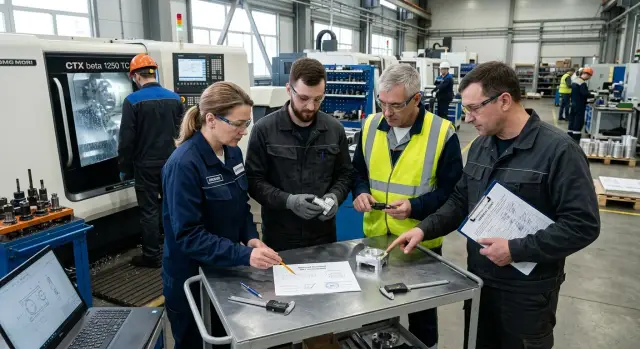
Why verbal agreements aren't enough
Everything changes fast on the shop floor. A shift ends, the setup operator goes home, the foreman moves to another machine, and the verbal agreement disappears with the people who remembered it. In the morning the new shift sees the blanks, the program and the tooling, but not the key question: has the series been approved or not?
Because of this, everyone uses their own reference point. The process engineer believes the run can only start after the first good part is measured and recorded. The setup operator sometimes thinks simpler: the part turned out within tolerance, so keep going. QA waits for a complete inspection. The foreman thinks about deadlines and the plan. Without a signature and an agreed timing, everyone has a different version of events.
This is especially risky at the pre-series stage. That’s when small details surface that are easy to miss in conversation: a wrong tool offset, an unspecified cutting mode, a disputed dimension that one person reads from the drawing one way and another person reads differently.
Problems usually show up later, once scrap or downtime has appeared. If a batch goes into production without confirmed approval, it’s hard to reconstruct the decision chain afterward. Who allowed the start? Which part was considered the first good one? Did QA check the full list of dimensions or only a few? In the shop these questions are often answered from memory, and memory fails.
The scenario is familiar to many. In the evening the setup operator got the first acceptable part, showed it to the foreman and verbally said it was okay to continue. During the night another 40 pieces were made. In the morning QA checked runout and found it out of tolerance. The parts are already packed, the machine is running the next job, and half a day is spent not producing but arguing about who gave the start.
A signature doesn’t solve everything, but it records the moment when words become a decision. Without it the approval route becomes a set of guesses.
Who is responsible for what
The confusion starts not at the machine but in the areas of responsibility. If roles aren’t separated, one person thinks the part can go into series while another is still waiting for a measurement or an adjustment.
The process engineer sets the rules. They issue the approval route, specify fixturing, sizes to control, tolerances, material, tooling and operation sequence. If the drawing has ambiguous points, they should resolve them before cutting metal, not after the first part.
The setup operator is responsible for making sure the machine can actually produce the part. They install tooling, select cutters, check offsets, the program, coolant and make a trial part. If the drawing and real machining diverge, they shouldn’t “force” the part silently; they should return the question to the engineer.
QA should not be limited to a verbal “fine.” The inspector takes the first part, checks the dimensions according to the agreed list, looks at surface finish and form where required, and records the results in the inspection record. A QA signature means something simple: the part was checked, the result was recorded, and any deviations are either absent or described.
The foreman does not replace the engineer or QA. Their job is to see the full picture for the shift: are all marks present, is the part status clear, and is the batch ready to go without guesswork. The foreman gives the go-ahead for the series only when the previous steps are closed.
In practice the scheme is simple: the engineer issues requirements, the setup operator makes a trial part and notes adjustments, QA performs control and signs, and the foreman authorizes the series. If at least one mark is missing, the launch is stopped. This saves hours and prevents scrap from accumulating in the first batch.
On a small shop floor one person sometimes covers two roles. That happens, but it’s still better to separate signatures into fields: who prepared, who checked, who authorized release. Then the route remains clear even at night, in a hurry, or when handing the job to another foreman.
What to prepare before the first part
Failures often start before the first cut. People come to a shift with different files, an old tool list in the setup sheet, or no clear inspection sheet. As a result the first part exists, but there’s no common answer whether it’s acceptable.
First, check the drawing. Only one current document with revision number, date and a clear mark that this version is being produced should go to the shop. If the engineer looks at one version, the setup operator another, and QA prints a third, the dispute starts at the first measurement.
A poor setup pack causes no fewer problems. Before start-up you need a setup sheet with cutting modes, fixturing, operation sequence and a tool list by station. Nearby should be the actual tooling: which toolholders are installed, which inserts were chosen, which tool is new and which has already been used and may shift size.
Make the inspection plan in advance. It should note which dimensions are measured at the machine, which are handed to QA, and where to check surface finish, runout, threads and form. If a tolerance is tight, indicate the measuring instrument so there’s no argument later about who checked with what.
It’s more convenient when the foreman has one packet of documents, not several sheets from different folders. Then the shift doesn’t waste time calling and searching for the latest version.
A typical approval form usually needs only a few fields: part number and drawing revision, machine, tooling and program, date and time of the first part, remarks on deviations, signatures of the engineer, setup operator, QA and foreman. Often you don’t need more.
One more often-forgotten item: the CNC program must match the approved drawing and operation card. If the program already has adjustments to feed, depth or tool offsets, record that immediately. Otherwise the series will run based on the machine settings while the documents retain the old process.
Good preparation looks boring. And that’s fine. When everything is assembled in advance, the first part doesn’t become the subject of an argument; it simply passes inspection and opens the series.
How the approval process works
So the series doesn’t start on a “seems fine” remark, each step must have its own result and signature. For a new part it’s best not to change the order.
- The process engineer issues the task for the first part and immediately notes risky places. Usually these are tight tolerances, fits, threads, depths, concentricity and surfaces that have caused problems before.
- The setup operator installs the tooling, fixtures the blank, runs a trial operation and measures basic dimensions themselves. They don’t wait for QA to spot an obvious deviation in diameter or length.
- QA takes the first part for inspection and records the result in the measurement card or route sheet. If there’s a deviation, the inspector writes specifically which dimension deviated, by how much, and where rechecking is needed.
- If an adjustment is required, the setup operator updates the program, tool offsets or fixturing, makes a new part and repeats their measurements. Phrases like “we’ll fix it now” are not enough here. You need a new mark showing the setup version changed.
- The foreman opens the series only after all remarks are closed and signatures are collected.
On paper this route seems slow. In a real shift it often saves material, time and nerves. If the first part goes through this path without skips, work proceeds noticeably more calmly.
A useful rule is simple: don’t place the next signature until the previous participant has closed their step in writing. That keeps responsibility from being blurred and prevents the foreman from being left alone with the question of who authorized release.
What they check on the first good part
The first good part becomes the reference point for the whole series. If you miss a defect on it, it can easily repeat across dozens of blanks. So the check covers not only overall appearance but the areas where a mistake immediately affects assembly, service life or scrap.
Start by checking dimensions with tight tolerances. These are usually bearing diameters, bush fits, distances between datum points, groove depth, thread pitch. Pay special attention to dimensions that shift due to tool wear or machine heating. If a shaft must fit a bearing without play, it’s not enough to see it “looks about right.” You need a measurement and a recorded result.
Next check geometry. A part can meet diameter tolerances but fail on runout or concentricity. This is a common cause of disputes between the shop and QA: the dimension is within tolerance, but the assembly vibrates or won’t fit. On the first part check how the surfaces relate to each other: does the axis align, is there any offset, and does the seating surface keep form after all operations?
Surface condition is the same story. Scratches, cutter marks, torn edges or burrs at holes or threads often seem minor until the first assembly. Then the part won’t seat, damages a seal, or interferes with an adjacent element. If surface roughness is specified on the drawing, don’t judge it by eye—inspect it the same way as a dimension.
Simple things are often underestimated too: does the material match the drawing and the batch of blanks, is the required marking present, were all operations completed, and were burrs removed after drilling, milling and threading? A part may look finished but miss a chamfer, have an undercut thread, or lack a hole.
A good practice is straightforward. The first good part should confirm not just one successful measurement but the full readiness of the process. Then the QA signature and series start rest on fact, not on a verbal “it’ll be fine after that.”
Example of launching a new part
The shop needs a small batch of shafts—say 40 pieces—on a CNC lathe. The blank is ordinary, but the part has features where an error quickly becomes scrap: two bearing seats and an external thread at the end.
The engineer marks in the route sheet which dimensions must be checked before the series, which tolerances are the tightest and where you can’t “fix it later.” For this part they specifically flag both bearing seats and the thread pitch.
The setup operator installs tools, loads the program and takes the first part. Diameters are in tolerance, the thread cuts clean, but the length is off by 0.18 mm. For a rough check that’s small, but for starting a series it’s already unacceptable. If the foreman gives a verbal go-ahead, the whole batch could end up reworked.
The setup operator doesn’t argue or look for someone to blame. They check the axis correction, verify the fixturing and produce a second part after adjustment. That takes 15–20 minutes, but avoids stopping the machine mid-batch later.
After that the approval follows a clear order. The engineer confirms the marked dimensions and the thread were checked. The setup operator signs for the setup and the corrections made. QA accepts the revised part, not the first one with the deviation. The foreman opens the series only after QA’s entry.
This route seems stricter than a verbal agreement at the machine, but it keeps the launch under control. Everyone has one reference: which part is considered the first good one and on what basis the series may start.
The usual result is simple. The shop spends one extra blank and a bit of time reworking, but the batch goes out without disputes between shifts, QA and the engineer.
Where launches most often fail
Failures usually start with haste. The team decides: “it seems fine, we’ll recheck later.” After that phrase the batch is already running and the argument about dimensions, datum or tolerance begins.
The most common failure looks like this: the first part was eyeballed, the foreman gave verbal approval, the setup operator started the cycle, and QA’s signature never appeared on paper. While there are five or ten parts this seems minor. When the whole batch is finished, that minor issue turns into rework.
There are other typical mistakes. Someone checks a dimension with the wrong instrument: instead of a bore gauge they use calipers and get “almost right” where an exact result is needed. A part is measured in the wrong reference, so machine readings and QA records don’t match. Someone verbally agrees to a deviation and the next day no one remembers who allowed the release. Sometimes an old drawing revision or operation card gets into production and the program was written to one size while QA checks another.
You can imagine this on a simple part with a bore and seating diameter. The setup operator brings the diameter into tolerance with the working tool, the foreman sees a good surface and allows the start. Then the inspector takes the current drawing and finds a new measurement datum and a changed tolerance for one of the diameters. The series is stopped and time is lost.
This happens in small shops and where modern machines stand alike. Even a good lathe won’t save you if the approval route relies on employees’ memories.
One rule is clear: don’t start a series until the team has checked the drawing revision, measurement method, inspection datum and who signs off. If a deviation is allowed, record it immediately. Otherwise in the next shift no one will be able to prove why the part was declared acceptable.
Short checklist before the series
Before releasing a batch it’s useful to stop for a few minutes and verify the documents. This is the most boring part of the launch, but it’s the one that most often saves the shift from scrap, extra setups and disputes.
- Compare the drawing number, revision and route card. The machine, the engineer and QA must all have the same version.
- Check the first-part entry. QA should not just look at the dimension but record the result in the document.
- Collect remarks in one form. Don’t scatter corrections across messengers, verbal requests and loose sheets.
- Make sure the engineer and setup operator have entered all agreed corrections into the documents and the program.
- Wait for a clear order from the foreman to start the series.
In practice the most common slip is simple: the drawing was already updated, the setup operator didn’t see it, QA inspected the first part to the old size, and the foreman gave a verbal go-ahead. An hour later a batch comes out that must be sorted. Such a mistake easily eats half a shift.
The approval route works only when the final signature is placed after all remarks are closed, not before. One completed form, one current version of documentation and one command to release give more order than long messages and a rush at the machine.
What to do next
After the first successful launch don’t leave the process to words. If every pre-series launch follows a new scheme, the shift loses hours on calls, clarifications and rework.
Fix one form for all new parts. Let it contain the same fields: drawing number, program version, material, tooling, control dimensions, remarks, handover times between participants and signatures. One form removes extra questions. The engineer, setup operator, QA and foreman all look at the same document rather than their own notes.
Assign a person to manage this form from the first part to the go-ahead for the series. Most often this is the shift foreman. When the document has an owner, the sheet doesn’t lie on the table for half a day and disputed points don’t surface at the end of the shift.
Deadlines for signatures are better defined too. Not “when ready,” but by steps: the engineer signs before the first cut, the setup operator immediately after the trial run, QA after measuring the first good part within the same shift, and the foreman before the series starts. That order quickly trains everyone to work at the same pace.
If a dispute arises, don’t postpone it to tomorrow. A borderline measurement, a doubt about surface finish, a question about tooling or an entry in the card must be resolved the same day while the part, the program and the people are still present. Otherwise in the morning a new round of guesses begins and the launch hangs in the air again.
If a new part is launched on new equipment, discuss commissioning and service with the supplier in advance. For enterprises in Kazakhstan such issues are often handled with EAST CNC: the company supplies CNC lathes and machining centers and supports commissioning and maintenance.
One common form, clear signature deadlines and resolving disputes the same day usually bring more benefit than any verbal agreement.