
Cutting Fluid for Turning: How to Choose Without Mistakes
Cutting fluid for turning is chosen based on workpiece material, cutting mode and the condition of the supply system. We cover simple checks and common mistakes.
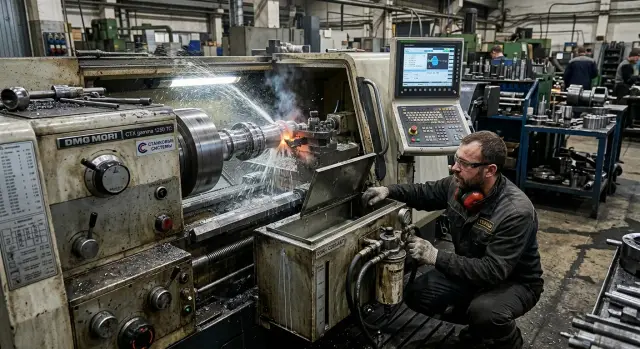
Why people often get coolant wrong
Mistakes with cutting fluids usually don't start with complex chemistry but with habit. In a shop the same fluid can be used for years "as usual," and no one asks whether it suits the current material, cutting mode and operation type. Requirements differ for steel, aluminum, stainless and cast iron, but in practice one formula is often kept for everything.
Because of this, the coolant is chosen by the familiar label on the can rather than by the task. While a batch runs without obvious rejects, no one notices. Later insert wear rises, built-up edge appears, and the surface becomes rougher than needed.
A second typical mistake is looking only at price. A cheap can almost never means cheaper processing. If a formula cools or lubricates worse, the tool life shortens, the operator stops the machine more often, and parts go for rework. Savings on purchase quickly vanish in downtime and tool consumption.
People also forget about the supply system itself: tank, filters, pump, hoses, concentration, sludge in the sump — these affect the result as much as the fluid. If the system contains old chips, oil and bacteria, even a normal emulsion performs poorly. In the end the coolant gets blamed, while the real problem is maintenance.
This is usually noticed too late. At first the machine runs "tolerably": a bit more smoke, a worse smell, the emulsion darkens. Then come chipping, surface marks and unstable dimensions. By then losses already exceed what a basic tank check and a calm review of the coolant choice would have cost.
A typical scenario is simple. The shop turned carbon steel, then switched to stainless but kept the same fluid and didn't clean the tank. After a few shifts insert consumption rose and surface quality fell. From the outside it looks like a cutting parameter or tool error, while the cause is often nearby.
Mistakes rarely come alone. Usually it's a chain: chosen by habit, skimped on the formula, system not checked, and action taken only when parts already show defects.
What to check first
Choose coolant not by the label but by a few starting facts. If even one point is unclear, the fluid almost always performs "okay": the tool runs hotter, the surface blurs, and the emulsion fouls faster.
Start with the workpiece material. Mild steel allows a wide choice. Stainless needs better cooling and consistent lubrication. Aluminum scratches easily and hates dirty emulsion. Cast iron produces fine dust and chips, so you think not only about lubrication but also about how to clean the tank and filters.
Material and cutting mode
After the material, assess the cutting mode. High speed heats the cutting zone more. Large feed and deep cuts load the tool edge more. If metal is removed aggressively and quickly, the formula must evacuate heat well and hold properties under load. If the cut is light and the goal is a fine finish, fluid cleanliness and stable concentration come first.
The same blank may require different coolant depending on the goal. For rough turning tool life and consistent metal removal matter. For finishing it's more important that the fluid helps hold dimensions, doesn't leave residue, and doesn't spoil the surface appearance.
Machine and maintenance
Next check the delivery system itself. Pressure should bring fluid directly to the cutting zone, not spray past it. Tank volume matters: a small tank heats and fouls faster. Filtration is especially important with cast iron, fine chips and long shifts.
A practical question: how often will the shop realistically check concentration and cleanliness? If no one measures the mix on schedule and sludge isn't removed, even a good formula loses meaning fast. Better choose a coolant the team can service weekly than a finicky product with a flattering description.
A good start is simple: material known, cutting modes recorded, machining goal clear, feed parameters noted, and a realistic control schedule. After that the choice gets more accurate and unnecessary trials are fewer.
How the workpiece material changes the choice
The same coolant rarely gives the same result on different materials. The part itself shows what matters: lubrication, cooling, system cleanliness or chemical neutrality.
Carbon steel doesn't usually create the sharpest problems, but errors are easy. If a formula has few lubricating components, edge wear accelerates and the surface comes out rougher. If corrosion protection is weak, rust can appear on parts and in the workspace, especially after downtime.
Stainless is tougher. It heats the cutting zone more, tends to produce stringy chips and likes to stick to the tool. Ordinary cooling is often insufficient. You need a coolant that lubricates well and holds up at higher temperatures. Otherwise tools dull sooner and dimensions wander.
Aluminum seems simple but punishes dirty emulsion. Fine dirt, old oil and bacterial films quickly affect the surface: spots, cloudiness and sometimes built-up edge. For aluminum a clean system and a formula that doesn't leave residues are especially important.
Cast iron is different. It produces a lot of fine abrasive dust. That dust goes to the tank, clogs filters, settles in channels and acts like an abrasive paste. If the system is cleaned rarely, the pump and nozzles suffer first. When machining cast iron, a clean, well-maintained system often outperforms a so-called "universal" fluid.
How cutting mode affects results
Cutting mode changes how the coolant behaves more than many expect. The same formula at the same concentration can act differently simply because of rpm, feed and depth of cut.
At high speeds the coolant's first job is rapid heat removal. If the fluid is delivered weakly or misses the zone, the edge overheats, tool life falls, and the part shows burns, dullness or unstable surface. In that mode a low flow rate is simply insufficient.
For heavy roughing the picture changes. The insert presses hard on the metal, friction rises, and lubrication becomes as important as cooling. If lubricity is lacking, the tool seats quickly and the machine draws more power. You can see it in wear: temperature may still be acceptable, but flank wear accelerates.
Interrupted cuts add impact loads. The edge goes in and out of the metal, and every entry hits the tool. If coolant is delivered unevenly or doesn't hold a film in the contact zone, the risk of chipping grows. This often happens with grooves, holes or uneven stock.
Long chips change things too. It's not enough to cool the tool; you need a confident jet that reaches the cutting zone, helps evacuate chips and prevents them from winding onto the part and holder. Otherwise chips rub the surface, spoil finish and can destabilize the process.
A simple rule: if you increase speed, check heat removal first. If feed and depth grow, watch lubrication and film stability. If the cut is interrupted or chips are long, evaluate both the coolant formula and its delivery.
In the shop it looks everyday. An operator raises rpm to cut cycle time but keeps the same coolant flow. The machine runs and parts come out, but the insert lives almost half as long. The cause isn't the tool: the mode changed while coolant and delivery stayed the same.
Why system cleanliness matters
Even a well-chosen coolant quickly loses value if the tank is dirty. Sediment, fine chips and foreign oil change the emulsion faster than any control setting. As a result the tool runs hotter and the part surface worsens even though cutting parameters haven't changed.
The most common problem is tank contamination. It degrades cooling and lubrication gradually, so rejects often arrive "for no reason": yesterday everything was fine, today roughness rises, built-up edge grows, and dimensions drift.
A clogged filter makes things worse. The pump may run, but delivery to the cutting zone is weak or intermittent. The jet doesn't wash away chips or cool the edge properly, so the tool loses life far earlier.
Old chips in the system are dangerous not only for the pump. They return to the working area and scratch the part. That's especially painful on a finish pass when the size is nearly set but dirt ruins the surface — dirt that a simple cleaning would have removed.
On a CNC lathe these issues accumulate fast. If the operator smells a bad odor, sees the emulsion darken or notes foam, don't wait. Smell often appears before obvious rejects and usually means the tank already contains a lot of contamination or the emulsion has started to spoil.
Regular checks solve most problems. Keep an eye on level and emulsion condition, clean filters and chip traps, check pump flow and pressure, clean nozzles and remove tank sediment. It's simple maintenance but it greatly affects surface quality and tool life.
Step-by-step coolant selection
Start choosing not with the brand but with the part. One formula can work fine on carbon steel and fail on stainless or aluminum. So first record material, operation type and the desired result.
- Note the starting conditions: workpiece material, hardness, insert type and whether the operation is roughing, semi-finishing or finishing.
- Compare cutting parameters with thermal load. High speed and feed require better heat removal. If the operation depends on lubrication, requirements differ.
- Choose the basic fluid type. Water-miscible coolants fit general use and give good cooling. Neat oils are often chosen for heavy or finishing cuts where reducing built-up edge is critical.
- Check the machine. The fluid must be compatible with seals, hoses, pump and filtration. If a formula foams or fails to carry away fine chips, problems will start fast.
- Set the working concentration and test it on a trial batch. Don’t mix by eye. Too low concentration reduces tool life; too high increases consumption, smell and residue.
After selection don't immediately run a full batch. Take a trial series and observe temperature in the cutting zone, edge condition and surface finish. If burns, streaks or burrs appear, the cause is often the coolant and mode combination, not the insert.
A simple example: turning stainless on a CNC with a weak emulsion quickly wears the edge and roughens the surface. With stable concentration the same operation runs smoother and the insert lasts longer. The difference on steel is also visible but sometimes masked longer.
Then maintain routine checks: measure concentration, top up with the same mix, clean the tank and remove foreign oil. With that discipline coolant choice stops being a lottery.
A simple shop example
On a production order a section was turning shafts from stainless. The first shifts were consistent, then the insert life dropped noticeably: instead of the usual 70–80 parts the insert lasted about 35–40. Surface quality fell too — a matte mark and fine ripples appeared on the finish pass.
They didn't change the program. Cutting mode stayed the same, inserts came from the same lot, and the blanks didn't change. So the cause wasn't in the code or insert geometry.
The operator checked how coolant reached the cutting zone and immediately noticed a weak jet. Then they removed the filter and saw the familiar unpleasant picture: fine chips, sludge and dense dirty deposits. The refractometer revealed another problem — the emulsion concentration had fallen below the working level.
They fixed it without complicated actions: cleaned the filter and delivery channel, removed sludge from the tank and brought concentration back to spec. They didn't change program, feed or rpm. The machine ran under the same conditions, but tool life nearly doubled and the surface smoothed. Heat marks disappeared and the finish pass stopped "smearing" the metal.
This case is a good wake-up call. When a tool wears fast, many immediately change the insert, revise parameters or search for machine faults. But often the cause is different. If delivery is weak, the filter clogged, and the emulsion dirty and too dilute, even a new insert will lose life fast.
With stainless it's visible especially quickly. The material is sticky, chips cling to the edge, and extra heat immediately hits both tool life and surface finish. So before changing the program it's sensible to inspect the coolant system. Fifteen minutes on the filter, tank and concentration can do more than a long process re-tune.
Expensive mistakes
The most costly coolant errors often look trivial. An operator hurries and adds water by eye, thinking nothing will happen. But concentration drops, lubrication and cooling change, then inserts wear faster, heat rises and the surface degrades.
Too much water reduces the emulsion's load-bearing ability. Too little causes foaming, residue and poor drainage from the cutting zone. In both cases the shop pays twice: for higher tool consumption and for rework.
Another frequent error is mixing different formulas without checking. Even if both are for metalworking, their additive packages may clash. The tank then often shows flakes, odor, unstable emulsion or sticky residue. Filters and nozzles clog and the problem is noticed too late.
After downtime don't start the machine blindly. During idle time sludge settles, a layer of foreign oil can collect on top, and the filter can clog. If you run immediately, all that dirt goes into the system.
Operators err with nozzle alignment too. If the jet misses the cutting edge, the coolant cools the wrong place. From the outside the pump runs and fluid flows, but chips stay hot, the edge suffers and surface quality varies part to part.
Because of this operators sometimes change the insert too early. The reaction is understandable but not always correct. If the cause is low concentration, a dirty tank or a misaligned nozzle, a new insert will age quickly too.
Usually a short pre-work check is enough: measure concentration, look at the tank, check smell and color of the emulsion, and ensure the jet hits the cutting zone. It takes minutes and pays off in tool life, less scrap and more machine time.
Quick check before startup
Five minutes before work often beats a long teardown after scrap. If the coolant behaves poorly it's usually visible even before the first part.
First look at the tank. Fluid level shouldn't be at the low limit, and the emulsion should be even in color, without obvious layering or a dirty surface film. If yesterday the mix was light and today it's darker or cloudier, there's almost always a reason.
A short pre-start check is enough: assess tank level and emulsion appearance, check smell, watch for excessive foam during circulation, confirm the jet hits the cutting zone, and glance at the mesh filter. If it already holds dense chips and dirt, don't expect good machining.
After that measure concentration rather than relying on "it looks OK." Even small deviations change outcomes: low concentration shortens tool life, too high increases consumption and residue on parts. A refractometer is better than guesswork.
Nozzles need attention too. If one is shifted a couple of centimeters the fluid no longer cools the cutting zone properly. The machine will keep running but the surface quickly shows issues: marks, size variation and premature tool wear.
A simple example: the operator sees foam and starts a batch because "yesterday was the same." An hour later the filter is full of chips, the jet wanders, and the finish already requires rework. Catch these things before start, not after the first dozens of parts.
What to do next
If you want less scrap and fewer downtime minutes, don't let rules change shift-to-shift. One clear control routine works better than "everyone by experience." The foreman and operator should check the same things in the same order.
The most practical measure is a short shift-start checklist. It shouldn't take half an hour. A few minutes suffice if check points are agreed. Record concentration, note top-ups, watch tank and filters, remove chips and oil, and log complaints like smell, foam, darkening or corrosion traces.
These logs are more useful than they seem. After two to three weeks you see why tool life drops or surface quality falls. If concentration fluctuates and cleaning is irregular, the problem is usually not the tool or the program.
You can't choose a coolant once forever. If the part material changes, cutting speed increases or heavier operations are introduced — re-evaluate formula, concentration and maintenance schedule. What worked on one steel may behave worse on stainless or aluminum.
When commissioning a new lathe, agree on coolant maintenance before the first production order. Simple answers are needed: who controls concentration, how often the tank is cleaned, when filters are changed, who tops up and who performs rinsing. If that's not decided early, problems start within weeks.
An outside view often helps. EAST CNC supplies CNC lathes for metalworking and supports equipment start-up including commissioning and service. This is especially useful when a shop changes its part mix, starts a new line or wants to set up proper coolant routines from the start.
A good next step is simple: approve one shift control sheet, start recording today and re-evaluate coolant choice whenever material or cutting mode changes.
FAQ
Can one coolant be used for all materials?
Usually not. One coolant might work acceptably on carbon steel, but on stainless, aluminum or cast iron it often causes problems with tool wear, surface finish or system contamination.
Where to start if an insert is wearing out quickly?
First check coolant delivery, the filter, the tank and the concentration. Often the cause is not the insert or the program but a weak stream, dirty emulsion or an overly diluted mix.
How does the workpiece material change coolant choice?
Stainless usually needs more stable lubrication and cooling because it heats and tends to stick to the edge. Aluminum requires a clean emulsion free of old oil and debris. With cast iron you need more frequent tank and filter cleaning due to abrasive dust.
At high cutting speeds which is more important: cooling or lubrication?
At high spindle speeds the primary concern is heat removal. If the fluid doesn't reach the cutting zone or is insufficient, the edge overheats and the surface deteriorates quickly.
Why not choose coolant just by price?
Because savings on purchase can quickly be lost to downtime, faster tool consumption and rework. If the coolant cools or lubricates poorly, the shop pays more during operation.
How often should emulsion concentration be checked?
Better to measure by schedule, not by eye. In a shop that runs daily it's common practice to check the mix regularly during the week and after topping up, washing or material changes.
What to do if the emulsion has darkened, smells or foams?
Don't wait for scrap. Smell, darkening and foaming usually indicate tank contamination, foreign oil, concentration issues or the start of emulsion breakdown. Check the tank, filter and refractometer during that shift.
Can different coolant formulas be mixed?
Avoid mixing different formulas without compatibility checks. Even if both are suitable for machining, their additive packages can react, causing flakes, odors, unstable emulsion or sticky residue, which then clogs filters and nozzles.
How to tell if the coolant is not hitting the right place?
You’ll see it in hot chips, premature edge wear and marks on the surface even when cutting parameters seem normal. Often the pump runs but the jet misses the cutting zone and cools the wrong spot.
What to include in a quick check before starting the machine?
Keep a short start-of-shift checklist: check emulsion level and color, smell, the filter, the nozzle position and concentration. It takes a few minutes and catches causes of scrap and excess wear early.